

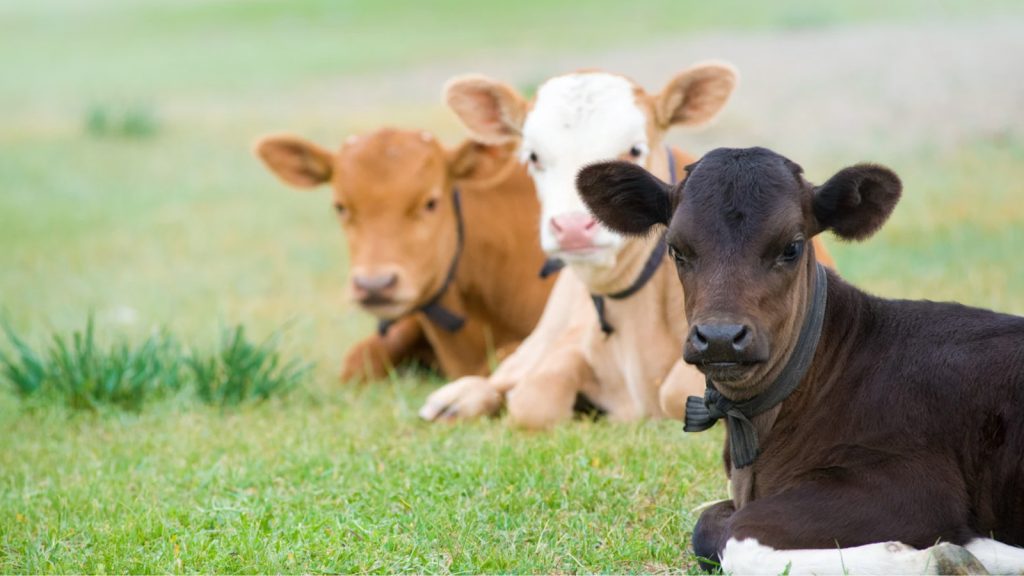

Calf diarrhea, also known as neonatal calf diarrhea (NCD) or calf scour, is one of the leading causes of morbidity and mortality in newborn calves. It can result in severe weight loss, dehydration, and economic setbacks for cattle farmers. Since multiple pathogens can cause diarrhea in calves, early and precise diagnosis is crucial for effective treatment and control.
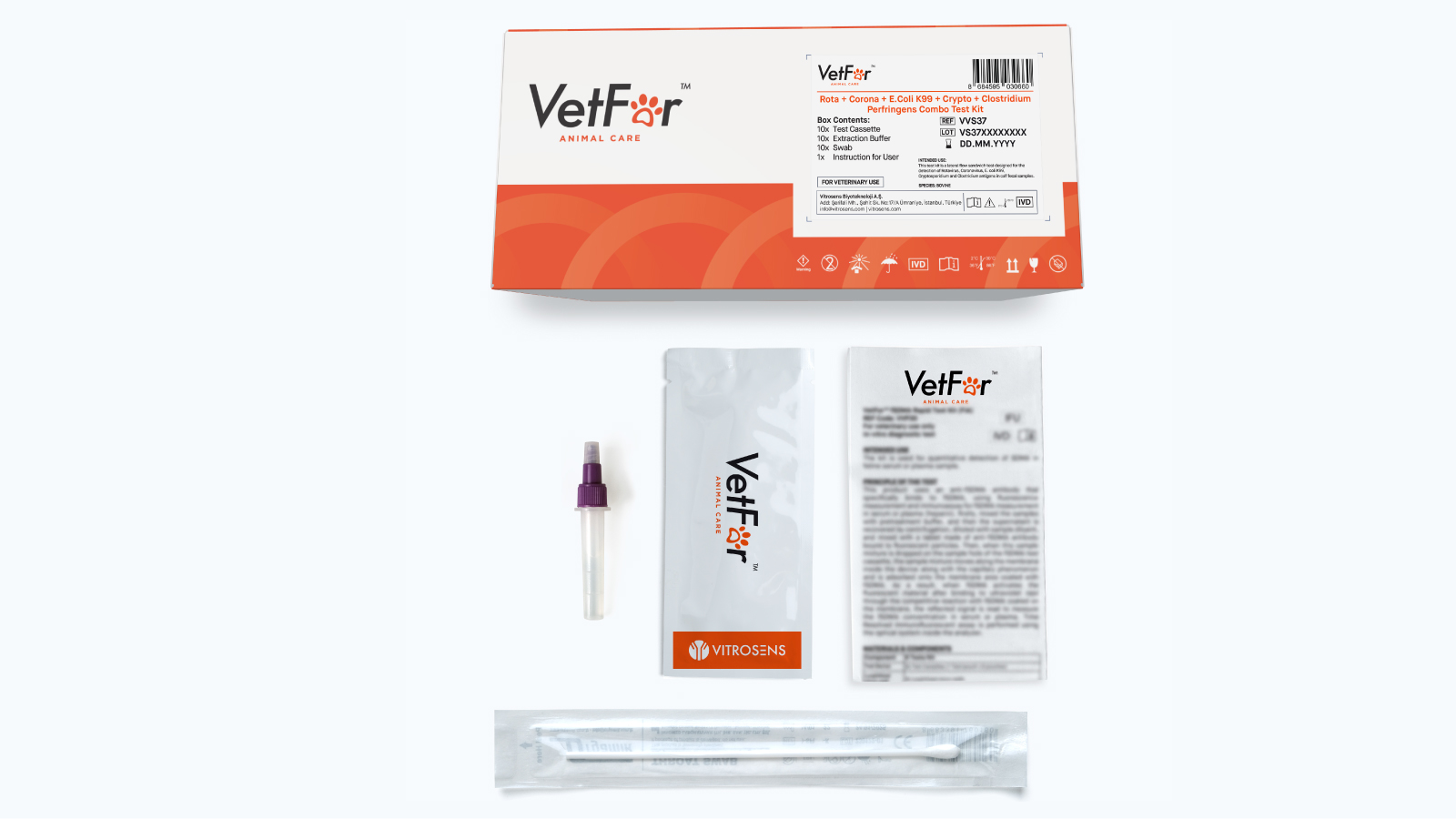
The VetFor Rota + Corona + E. Coli K99 + Crypto + Clostridium Combo Rapid Test Kit provides a fast, reliable, and easy-to-use solution for diagnosing the five major causes of calf diarrhea. With results available in just 10 minutes, veterinarians and farm owners can make informed decisions to protect their herds.
Why Use a Combination Test Kit for Calf Diarrhea?
Calf diarrhea is often caused by a mix of viral, bacterial, and protozoan infections, making it difficult to determine the exact pathogen responsible. Traditionally, veterinarians needed multiple tests to identify the causative agent. However, the VetFor Combo Rapid Test Kit simplifies this process by detecting five major pathogens in a single test, saving both time and cost.
The test identifies:
1. Rotavirus
Rotavirus is the leading viral cause of neonatal diarrhea in calves. It is a non-enveloped virus from the Reoviridae family and spreads via the fecal-oral route. Infected calves may exhibit:
✅ Watery diarrhea (lasting 2-4 days)
✅ Loss of appetite
✅ Severe dehydration
✅ Electrolyte imbalance
Since rotavirus spreads easily through contaminated feces and surfaces, early detection and isolation of infected calves are key to preventing an outbreak.
2. Coronavirus (BCV)
Bovine Coronavirus (BCV) causes both enteric and respiratory infections in calves. It has been linked to diarrhea in newborn calves as well as winter dysentery in adult cattle. The virus can spread through feces, nasal secretions, and contaminated feed or water.
Symptoms of BCV infection in calves include:
✅ Watery diarrhea with mucus or blood
✅ Respiratory distress (coughing, nasal discharge)
✅ Fever and weakness
Since infected calves continue shedding the virus in their feces for several weeks, early identification and strict hygiene practices are essential to limit the spread.
3. E. coli K99 (Enterotoxigenic Escherichia coli – ETEC)
E. coli K99 is one of the most common bacterial causes of neonatal calf diarrhea, affecting calves within the first few days of life. This strain of E. coli produces an enterotoxin that causes excessive fluid secretion into the intestines, leading to severe watery diarrhea.
Signs of E. coli K99 infection include:
✅ Profuse, watery diarrhea (often pale yellow)
✅ Severe dehydration
✅ Lethargy and weakness
✅ Rapid progression, calves may die within 24-48 hours if untreated
Young calves lack a fully developed immune system, making them highly susceptible. The bacteria spread through contaminated bedding, feed, and water sources, highlighting the need for early detection and sanitation measures.
4. Cryptosporidium (Crypto)
Cryptosporidium parvum is a protozoan parasite that infects the intestinal lining of calves, causing cryptosporidiosis. This disease is particularly challenging to control since the parasite’s oocysts are resistant to many disinfectants.
Symptoms of Crypto infection include:
✅ Profuse, watery diarrhea
✅ Severe dehydration and weight loss
✅ Depressed appetite
Crypto mainly affects calves from birth to 6 weeks of age, but older animals can act as asymptomatic carriers. Since no specific treatment exists for Cryptosporidium, rapid diagnosis and proper hydration therapy are critical.
5. Clostridium perfringens
Clostridium perfringens is an anaerobic spore-forming bacterium that causes enterotoxemia in calves. The bacteria can survive in the environment for long periods and thrive in the intestines under certain conditions.
Clostridial infections can lead to:
✅ Sudden death in calves
✅ Severe bloating and abdominal pain
✅ Hemorrhagic diarrhea
✅ Neurological symptoms in some cases
Due to its rapid progression and high fatality rate, early detection is essential for effective intervention.
How the VetFor Combo Rapid Test Kit Works
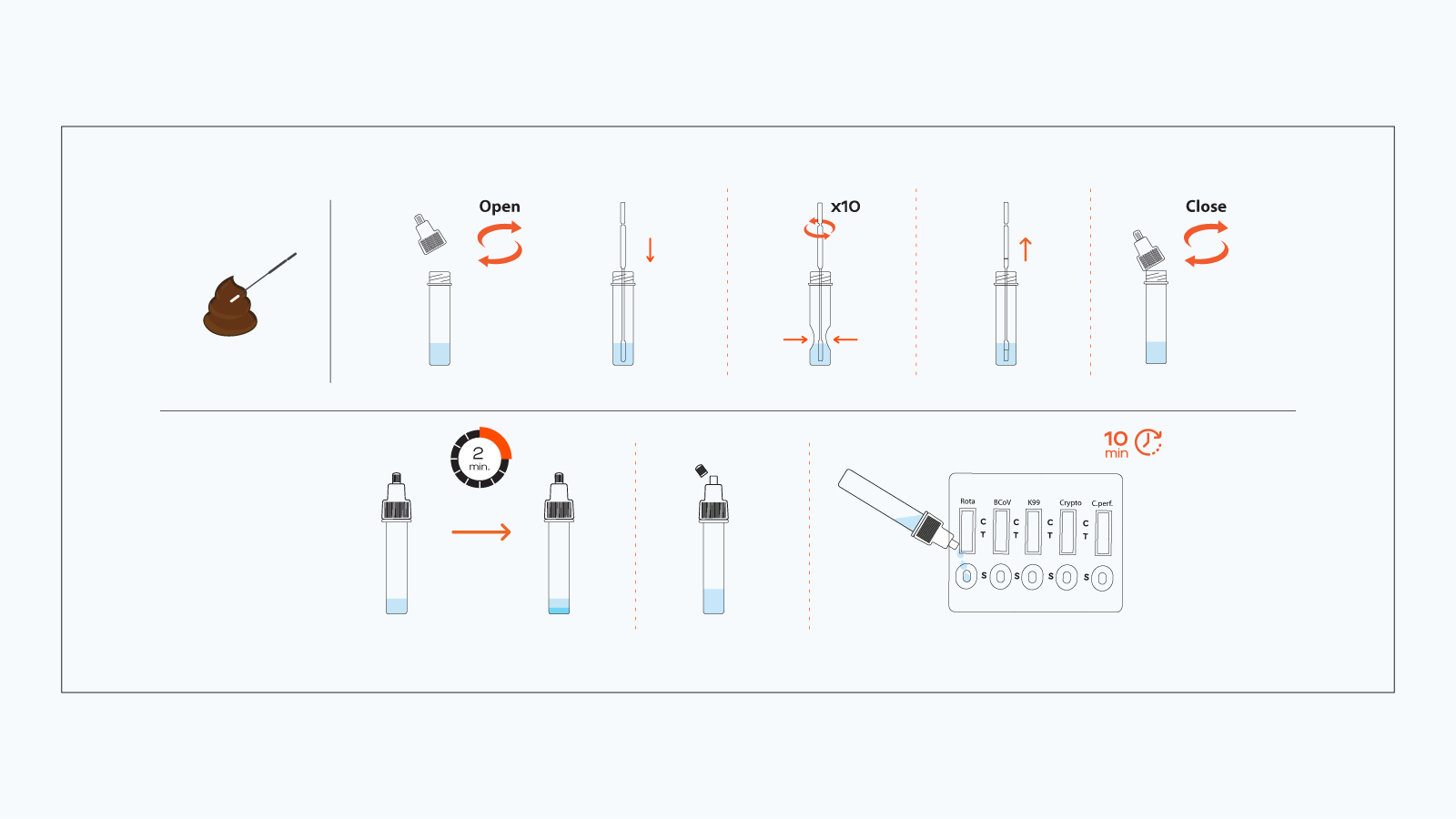
The test is based on lateral flow immunochromatography, a highly reliable method for detecting specific antigens in fecal samples.
Step-by-Step Testing Procedure
- Sample Collection: Use a sterile swab to collect fecal matter from the calf.
- Sample Processing: Mix the swab sample with the provided buffer solution.
- Test Application: Add 3 drops of the processed sample to the test cassette.
- Result Interpretation:
- • Positive: Both C (control) and T (test) lines appear.
- • Negative: Only C-line appears.
- • Invalid: No C-line appears; retesting is required.
- Time Frame: Read results after 10 minutes (do not read after 15 minutes).
Key Benefits of the VetFor Combo Rapid Test Kit
✅ Fast & Accurate: Results available in just 10 minutes.
✅ Comprehensive Testing: Detects five pathogens in a single test.
✅ Cost-Effective: Saves time and resources compared to multiple tests.
✅ User-Friendly: Simple procedure for veterinary professionals.
✅ Early Disease Control: Enables prompt treatment and prevents outbreaks.
Storage & Stability
- Store at 2°C – 30°C with 40-60% humidity.
- Do not freeze or expose to direct sunlight.
- Use within the expiration date for accurate results.
The VetFor Rota + Corona + E. Coli K99 + Crypto + Clostridium Combo Rapid Test Kit is an essential tool for veterinary diagnostics and herd health management. By enabling early detection, the kit helps veterinarians and farmers prevent disease outbreaks, reduce mortality rates, and enhance calf survival rates.
References
- Cho, Y., & Yoon, K. J. (2014). An overview of calf diarrhea – infectious etiology, diagnosis, and intervention. Journal of Veterinary Science, 15(1), 1–17. https://doi.org/10.4142/jvs.2014.15.1.1
- Foster, D. M., & Smith, G. W. (2009). Pathophysiology of diarrhea in calves. Veterinary Clinics of North America: Food Animal Practice, 25(1), 13–36. https://doi.org/10.1016/j.cvfa.2008.10.013
- Svensson, C., Lundborg, K., Emanuelson, U., & Olsson, S. O. (2003). Morbidity in Swedish dairy calves from birth to 90 days of age and individual calf-level risk factors for infectious diseases. Preventive Veterinary Medicine, 58(3–4), 179–197. https://doi.org/10.1016/S0167-5877(02)00209-2
- Izzo, M. M., Kirkland, P. D., Mohler, V. L., Perkins, N. R., Gunn, A. A., & House, J. K. (2011). Prevalence of major enteric pathogens in Australian dairy calves with diarrhea. Veterinary Microbiology, 140(1–2), 94–105. https://doi.org/10.1016/j.vetmic.2009.07.002
- Radostits, O. M., Gay, C. C., Hinchcliff, K. W., & Constable, P. D. (2007). Veterinary Medicine: A Textbook of the Diseases of Cattle, Horses, Sheep, Pigs, and Goats (10th ed.). Saunders Elsevier.
- de Graaf, D. C., Vanopdenbosch, E., Ortega-Mora, L. M., Abbassi, H., & Peeters, J. E. (1999). A review of the importance of cryptosporidiosis in farm animals. International Journal for Parasitology, 29(8), 1269–1287. https://doi.org/10.1016/S0020-7519(99)00076-4
- Naciri, M., Mancassola, R., Yvore, P., & Peeters, J. E. (1993). The effects of halofuginone lactate on experimental Cryptosporidium parvum infection in neonatal calves. Veterinary Parasitology, 45(3–4), 199–207. https://doi.org/10.1016/0304-4017(93)90041-Q