


Pancreatitis (inflammation of the pancreas) is a common and serious condition in both dogs and cats. Diagnosing pancreatitis is challenging because its signs are often vague and can mimic other illnesses. Fortunately, modern blood tests that measure pancreatic lipase levels specifically canine pancreatic lipase (cPL) in dogs and feline pancreatic lipase (fPL) in cats have greatly improved veterinarians’ ability to detect pancreatitis. These species-specific tests have become key tools for confirming pancreatitis and guiding timely treatment.
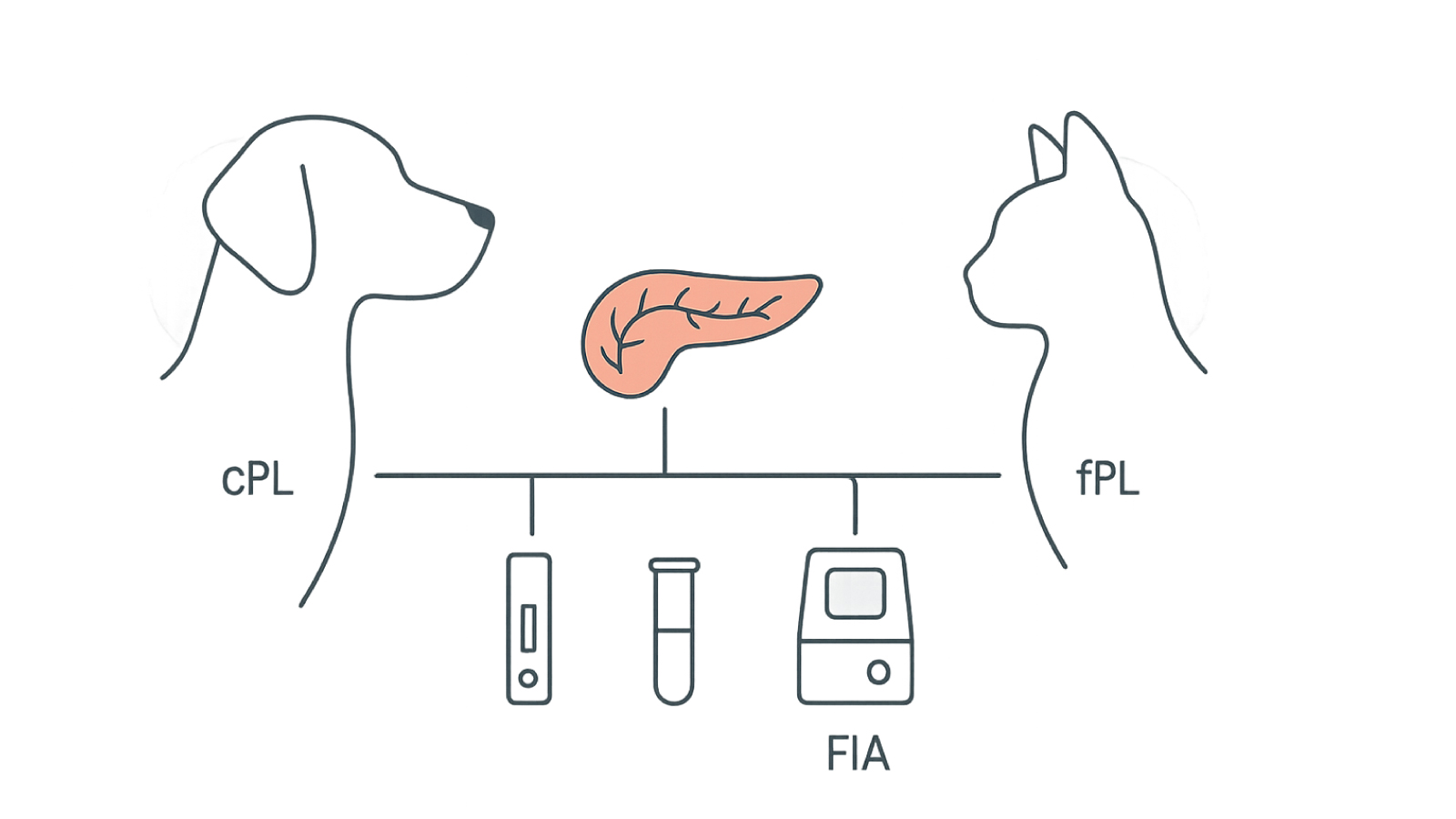
What Are cPL and fPL?
cPL and fPL are specialized blood tests that detect the lipase enzyme released from the pancreas of dogs or cats. Unlike older tests (such as total amylase or general lipase activity), cPL/fPL assays use antibodies to target only pancreatic lipase, making them highly specific for pancreatic injury. During pancreatitis (inflammation of the pancreas), pancreatic lipase leaks into the bloodstream; thus, elevated cPL or fPL levels strongly indicate pancreatitis. They are also the most sensitive and specific tests currently available for diagnosing pancreatitis in dogs and cats.
When to Suspect Pancreatitis: Key Clinical Signs
Certain clinical signs will prompt a veterinarian to test for pancreatitis using cPL or fPL. While symptoms can vary in severity, some key signs raise suspicion of pancreatic inflammation:
Canine pancreatitis often causes acute vomiting, loss of appetite (anorexia), and abdominal pain. They may adopt a “praying” posture to alleviate abdominal pain. Other possible signs include lethargy, diarrhea, or fever. In severe cases, dogs can become dehydrated and weak.

Feline pancreatitis tends to produce subtle, nonspecific symptoms. The most common signs in cats are marked lethargy, poor appetite, and dehydration. Some cats also vomit or have diarrhea, but these occur less consistently than in dogs. Cats rarely show obvious abdominal pain, and many cases are idiopathic (no clear cause). Feline pancreatitis often occurs alongside other conditions such as inflammatory bowel disease or diabetes. Because feline signs are vague, veterinarians often include an fPL test whenever a cat is unwell with no clear explanation.
Newer Diagnostic Developments: FIA Based Tests
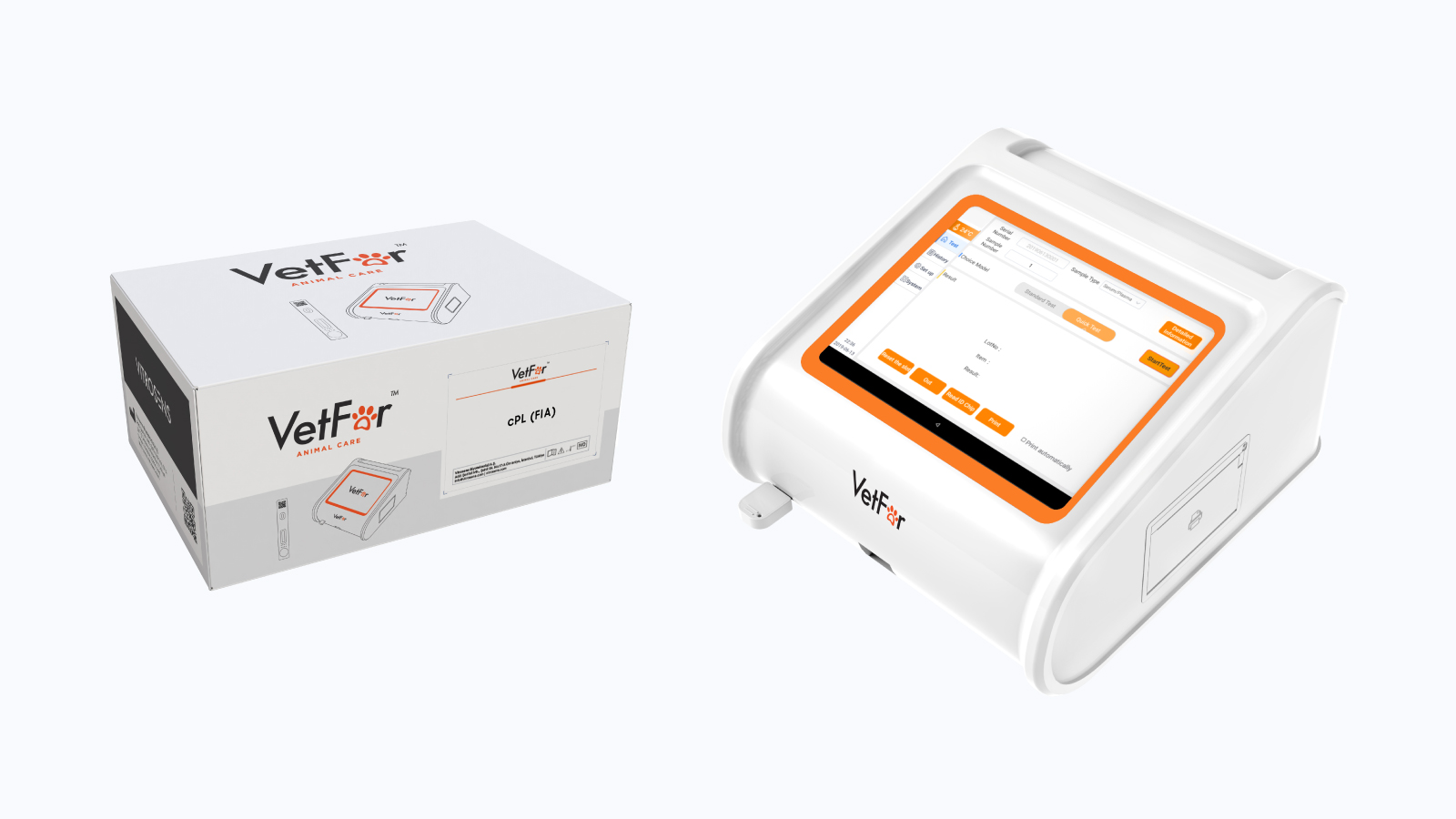
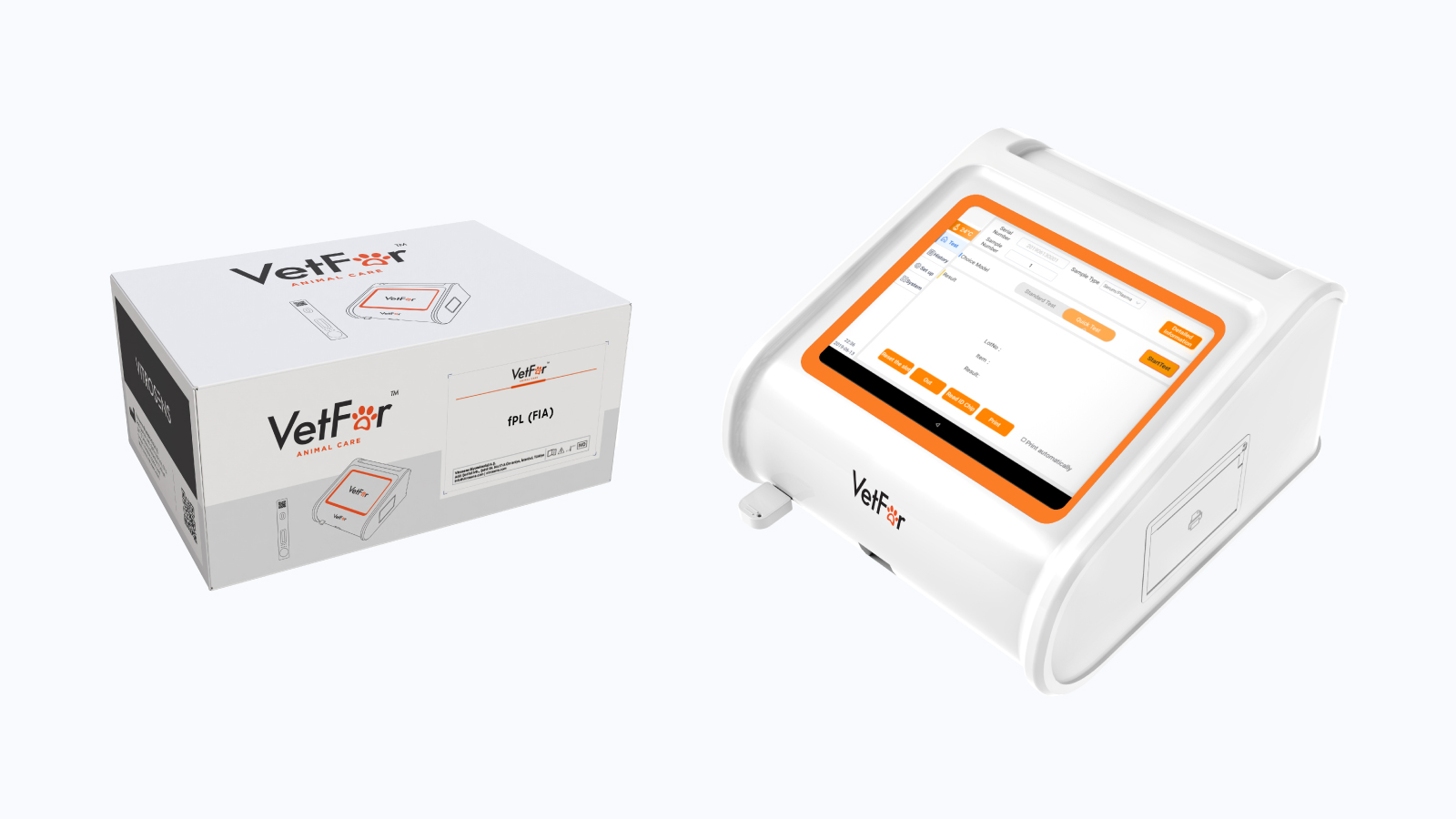
Advancements in veterinary diagnostics have led to fluorescent immunoassay (FIA) technology for pancreatitis testing. These systems use fluorescent labeled antibodies to detect pancreatic lipase and can produce a quantitative result on a small in-clinic analyzer in minutes. Diagnostic companies like Vitrosens Biyoteknooji have introduced FIA based pancreatic lipase tests for dogs and cats that need only a tiny blood sample. FIA tests combine the convenience of rapid in-house screening with the benefit of numerical results. As this technology becomes more accessible, it offers veterinarians another fast and reliable option for diagnosing pancreatitis, enabling earlier intervention.
Pancreas specific lipase tests have become indispensable for diagnosing pancreatitis in dogs and cats. cPL and fPL tests help distinguish pancreatitis from other conditions with similar signs and give clinicians greater diagnostic confidence. When pets present with vomiting, appetite loss, or other unexplained illness, these tests allow veterinarians to confirm pancreatitis and start treatment promptly. Rapid SNAP tests can guide immediate decision-making, while lab-based or new in-house quantitative tests provide definitive confirmation. Along with clinical evaluation and imaging if needed, cPL/fPL testing plays an important role in the early detection and management of pancreatitis, leading to better outcomes.