


Feline Infectious Peritonitis (FIP) is perhaps one of the most dreaded diseases among us cat owners. It is a type of illness that develops through a mutation in cats infected with feline coronavirus. The spread of the COVID-19 virus and the emergence of its variants have unfortunately increased the risk of FIP in our feline friends. FIP comes in two forms – wet and dry – and it is a progressive disease that can be life-threatening. It is also very difficult to diagnose definitively in a living cat.
If you are worried about your cat or want to take some precautions, you’re in the right place. In this article, we will answer common questions such as “What causes FIP?”, “What are the symptoms of FIP?”, “Is there a treatment or vaccine for this disease?”, and “How can you protect your cat from FIP?” Keep reading to learn more about this serious condition and how to help your pet friend.
What Causes FIP?
FIP is a complex disease that results from a feline coronavirus (FCoV) infection. FCoV is an RNA virus from the coronavirus family that is very common in cats worldwide. In fact, many cats become infected with feline coronavirus at some point in their lives, especially in multi-cat environments. For most cats, this virus causes little to no illness at most mild gastrointestinal issues like transient diarrhea, or occasionally mild respiratory symptoms. The majority of cats infected with FCoV never develop FIP. However, in a small percentage of infected cats (roughly 10% or so), the virus can replicate and mutate within the cat’s body. This mutation, combined with the cat’s immune response, is what causes the disease known as FIP.
When the coronavirus mutates into the FIP-causing form, it triggers an aggressive immune-mediated reaction. The mutated virus is no longer shed from the cat, meaning FIP itself is not contagious to other animals. (The ordinary feline coronavirus, on the other hand, is contagious among cats, typically spreading via feces, but it does not cause severe disease by itself.) FIP only develops in certain cats due to an inappropriate immune response to the mutated virus, and unfortunately those cats almost always succumb to the illness. The interaction between the virus and the cat’s immune system is believed to be the key factor, cats with a weaker or misguided immune response are the ones who develop FIP. If your cat is diagnosed with FIP, you should be aware that this disease is usually progressive, meaning it tends to worsen over time.
What Are the Symptoms of FIP?
In most cases, a feline coronavirus infection itself produces no obvious symptoms. Some cats may experience mild upper respiratory signs (such as sneezing, nasal discharge, or watery eyes), while others might have only digestive issues like soft stool or brief diarrhea. These initial symptoms, if they occur at all, are usually mild and go away on their own. It’s only in that small percentage of cats where the virus mutates that FIP develops and this can happen weeks, months, or even years after the initial infection. FIP can manifest in two forms, commonly referred to as the “wet form” and the “dry form,” each with a distinct set of clinical signs:
Dry FIP: This form causes inflammatory lesions around blood vessels (granulomas), which can affect various organs such as the brain, kidneys, liver, lungs, and even the skin. Cats with dry FIP may exhibit neurological symptoms like seizures or difficulty walking, or other vague signs like lethargy and weight loss. Additional possible symptoms include a loss of appetite, persistent fever (that doesn’t respond to antibiotics), frequent urination and excessive thirst, significant weight loss, vomiting, or jaundice (yellowing of the skin or eyes). The dry form’s symptoms can be wide-ranging and may develop gradually, which often makes it challenging to pinpoint the disease immediately.
Wet FIP: This form is characterized by fluid accumulation in body cavities. Most often, fluid builds up in the abdomen, causing a swollen, pot-bellied appearance. If fluid accumulates in the chest cavity, it can lead to labored breathing or panting, as the cat’s lungs have less room to expand. Cats with wet FIP often have a persistent high fever, are very lethargic, and stop eating. The wet form progresses more rapidly than the dry form; unfortunately, cats with the wet form of FIP tend to succumb to the disease faster (within days to weeks) compared to those with dry FIP. The accumulation of fluid and damage to blood vessels in the abdomen and/or chest are classic hallmarks of the wet form.
What Are the Treatment Options?
Unfortunately, there is no definitive cure for FIP at this time. Historically, FIP has been considered fatal in nearly all cases. Various antiviral medications (for example, GS-441524, a nucleoside analog) have been developed and used experimentally in recent years, and some have shown promise in saving cats’ lives. However, many of these treatments are not yet officially approved and their long-term effects and availability are still under investigation. While such antiviral therapies have given hope to cat owners and vets, we must note that no treatment is 100% proven to work in every case, and access to these drugs can be limited or very expensive.
Supportive care can help keep FIP cats comfortable for as long as possible. For instance, your vet may drain excess fluid buildup from the abdomen or chest to relieve discomfort, and provide medications to reduce inflammation and strengthen the immune response. Nutritional support and careful nursing care are also important to maintain quality of life. Every cat responds differently, and sadly, even with the best care, FIP often progresses. If you suspect your cat might have FIP, consult your veterinarian as soon as possible. Your vet can perform diagnostic tests and guide you on the latest options for management or experimental treatment, as well as supportive care to ensure your cat’s comfort.
How Do Vets Diagnose the Disease?
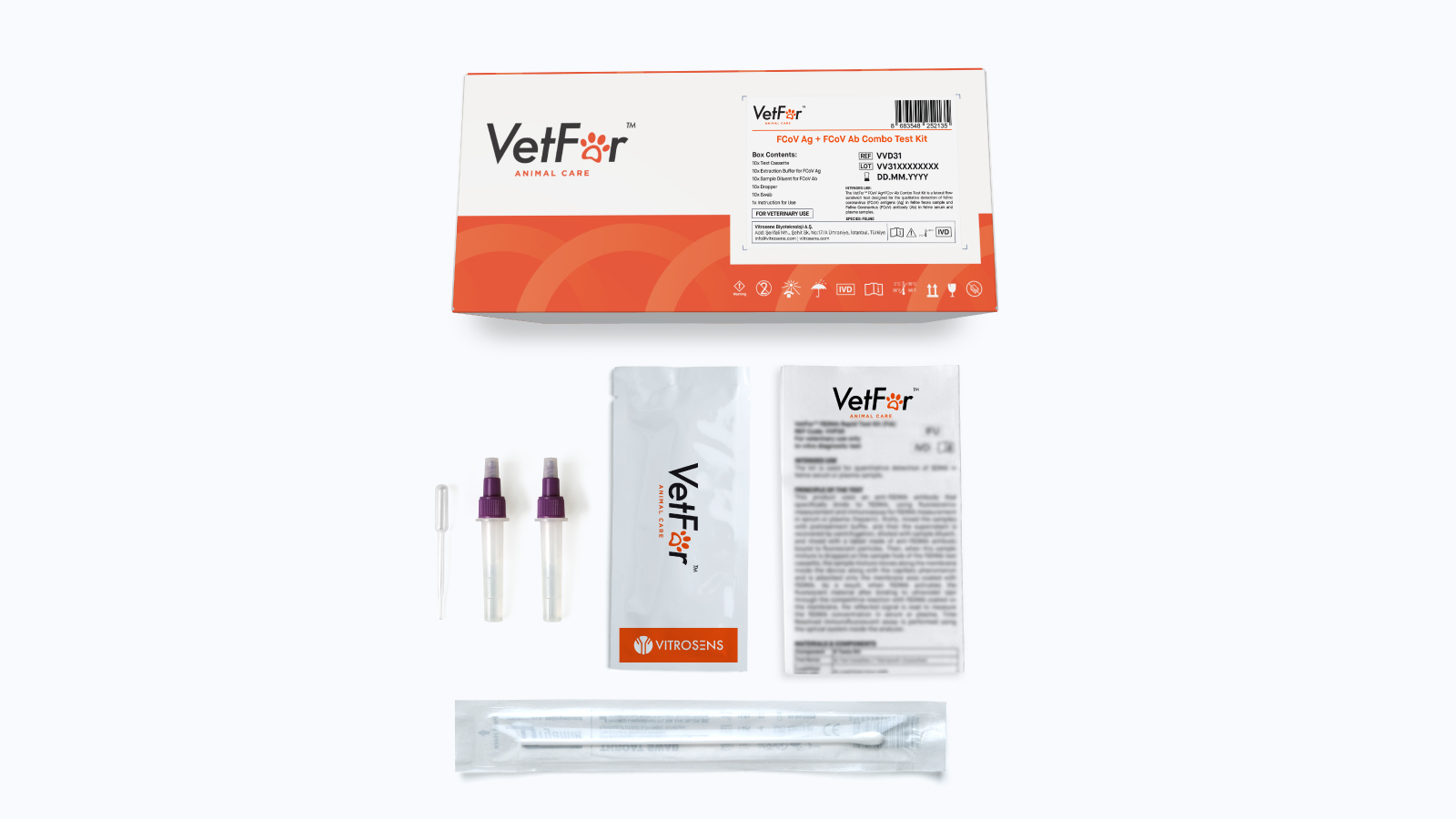
When a cat starts dropping weight, running a fever, or sporting a suddenly swollen belly, every vet’s first thought is, “Could this be FIP?” The evidence begins right in the clinic with the FCoV rapid antigen test, a fresh fecal swab runs across the strip, and if that line lights up, you know coronavirus is being shed though it still doesn’t clinch FIP. Beside it on the clinic bench, the FCoV rapid antibody test turns a drop of serum into a titer reading; sky-high antibodies tell you the cat’s immune system has faced the virus, raising suspicion even if it’s not definitive but it’s a start to hunt the disease!
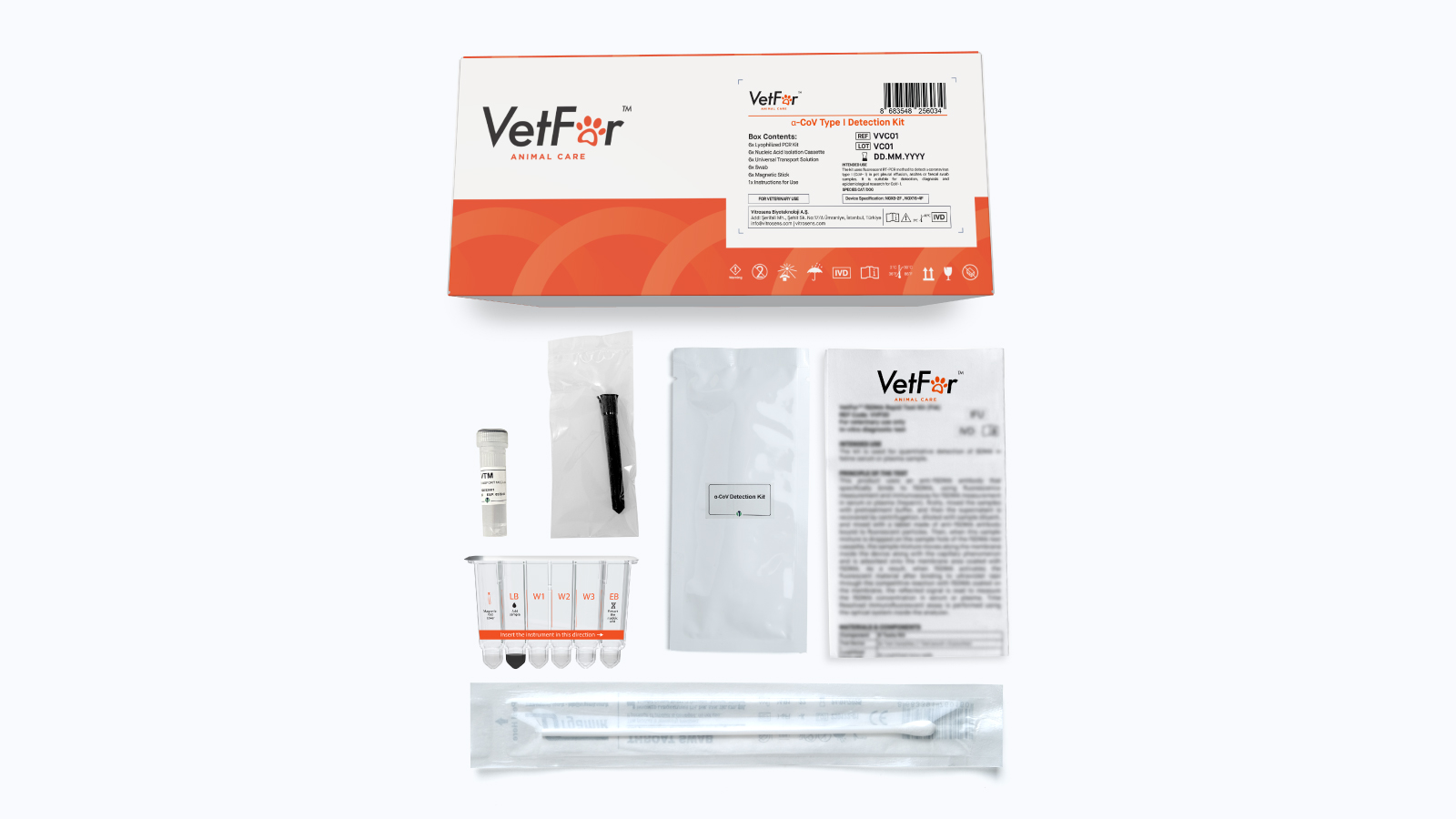
Next, most clinics ship blood, effusion, or stool to a reference lab for PCR; a basic PCR just says “virus present,” while quantitative PCR adds viral-load numbers that can hint at disease severity. With the Alpha CoV Type 1 qPCR detection test vets – lab workers can detect very high copy counts in abdominal or chest fluid sharpen our suspicions that the FIP-linked mutant is in play. In parallel, we draw serum for an ELISA or indirect immunofluorescence (IFA) assay to measure coronavirus antibodies; sky-high titers show heavy exposure but, frustratingly, still stop short of a sure diagnosis. That’s why we lean on imaging: an ultrasound that reveals straw-colored, protein-rich abdominal fluid is a classic red flag, and chest X-rays may show a hazy fluid line hugging the lungs. The “dry” form is trickier. No fluid to be seen, so we look for enlarged lymph nodes or odd granulomas in organs. When pictures alone don’t settle it, we collect fine needle aspirates or full biopsies. Pathologists then stain those samples with immunohistochemistry; seeing coronavirus antigen inside granulomatous lesions is about as close to a smoking gun as FIP medicine gets. Routine blood panels add more clues: an albumin-to-globulin ratio below 0.6, mild anemia, elevated white cells. Tapping effusion for a quick protein check helps too. Fluids thicker than syrup and over 3.5 g/dL fit the pattern. None of these findings by themselves can stamp a cat “FIP positive,” but, stacked together, they build a narrative that’s hard to ignore. The real art lies in layering each clue until the scale tips toward a confident diagnosis. Only then can we talk honestly with caregivers about treatment, prognosis, and the road ahead.
Is There a Vaccine for FIP?
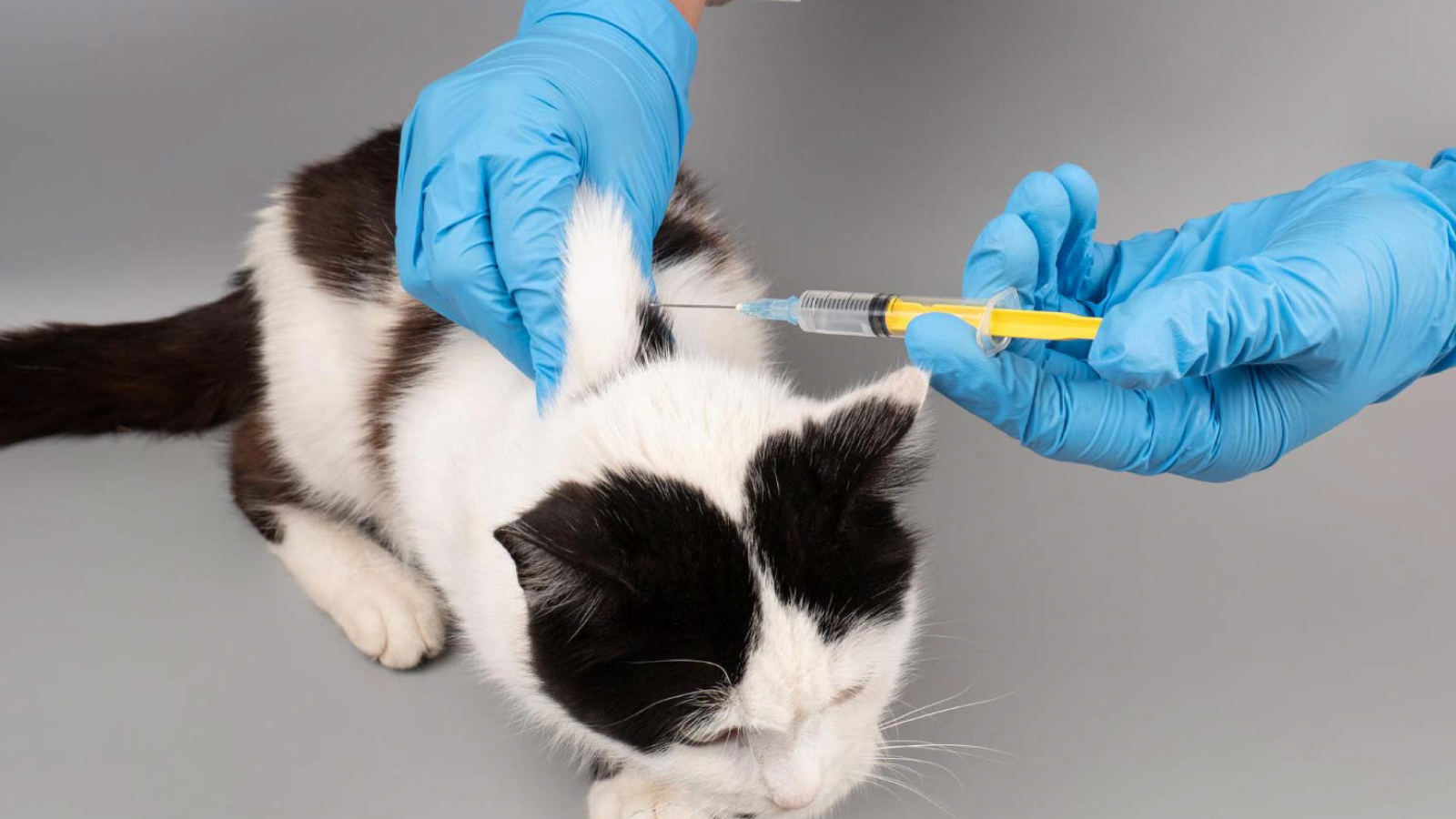
Currently, no. There is unfortunately no widely available or effective vaccine for FIP at this time. An intranasal FIP vaccine does exist in some countries, designed to stimulate local immunity in the nasal passages to block the virus. However, its use is controversial and it is generally not recommended. The vaccine’s effectiveness is questionable. It must be given before any coronavirus exposure to have a chance of working, and even then, FIP is so rare relative to the commonness of feline coronavirus that the vaccine has not significantly reduced FIP cases. In practice, routine vaccination against FIP is not advised for most cats. Always consult your vet if you have questions about any emerging FIP vaccines or treatments, as recommendations can evolve with new research.

How to Prevent FIP in Cats?
Since there is no sure cure or reliable vaccine, prevention of FIP centers on managing exposure to the feline coronavirus and keeping your cat’s immune system strong. Completely preventing exposure to coronavirus is difficult. Remember that this virus is ubiquitous and the vast majority of cats are exposed at some point, especially in catteries, shelters, or multi-cat households. Nonetheless, you can take some measures to reduce the risk.
The top prevention method is hygiene. Maintain strict cleanliness in your cat’s environment. Clean litter boxes daily (feline coronavirus is shed in feces) and provide one litter box per cat (plus one extra if possible) to reduce shared exposure. Disinfect food bowls, water bowls, and litter areas regularly. The virus can survive in the environment for several weeks, so good hygiene helps minimize the viral load your cat encounters.
Stress can weaken a cat’s immune defenses. Try to minimize stressful changes in your cat’s life and provide a calm, enriched environment. Give your cat regular play, adequate resources (like hiding spots, perches, and toys), and a consistent routine. A healthy, low stress lifestyle and balanced nutrition will support your cat’s immune system in fighting off infections before they can mutate into something more dangerous.
Also if you have a multi cat home, do what you can to avoid overcrowding and conflicts. Ensure each cat has their own space to eat, drink, and use the litter box comfortably. Overcrowded or unsanitary conditions can facilitate the spread of coronavirus among cats. By keeping groups of cats small and stable, you limit exposure to new pathogens and help everyone stay healthier.
You should bear in mind that when introducing a new cat to your household, especially if you have other cats, consider a quarantine period. Keep the new cat in a separate area for at least a couple of weeks and have them examined by a veterinarian. Your vet might recommend testing the new cat for common viruses (like FCoV, FeLV, FIV) before full introduction. Gradual introductions and ensuring all cats are healthy can prevent sudden exposure of an uninfected cat to a high coronavirus load.
If one of your cats is sadly diagnosed with FIP, the good news is that FIP itself is not directly contagious. By the time FIP develops in one cat, its feline housemates have likely already been exposed to the benign form of the coronavirus. Unless your other cats are closely related (sharing a genetic susceptibility), their risk of also developing FIP from that exposure is not very high. Therefore, you usually do not need to remove or isolate the FIP positive cat to protect the others in fact, the stress of separation can be harmful. Of course, continue to practice good hygiene and consult your veterinarian for guidance on your specific situation. They may have additional recommendations, especially if you operate a cattery or have many cats.

Feline Infectious Peritonitis is a challenging and emotional subject for cat lovers and veterinarians alike. It combines the complexity of a microscopic virus with the heartbreak of a serious illness in our beloved pets. By understanding how FIP develops from the common feline coronavirus, recognizing its signs, and taking preventive measures, cat owners can be better prepared to protect their furry companions. Always stay informed and work closely with your vet. Together, you can ensure that your kitty has the best possible care and a fighting chance against even the toughest diseases. Remember, many cats will never develop FIP, and with advancing research, there is hope that effective treatments or vaccines will emerge in the future. Until then, cherish your cats, keep them healthy, and don’t hesitate to reach out to a veterinary professional if you have any concerns about FCoV or FIP. Your feline friends depend on your love and care!
References
Young, A. (2022, November 2). Feline Coronavirus (FCoV) and Feline Infectious Peritonitis (FIP) | Animal Health Topics / School of Veterinary Medicine. Healthtopics.vetmed.ucdavis.edu.
Feline Coronavirus (FCoV) RT-PCR | Cornell University College of Veterinary Medicine. (n.d.). Www.vet.cornell.edu.
Hartmann, K. (2005). Feline infectious peritonitis. Veterinary Clinics: Small Animal Practice, 35(1), 39-79.
Addie, D., Belák, S., Boucraut-Baralon, C., Egberink, H., Frymus, T., Gruffydd-Jones, T., … & Horzinek, M. C. (2009). Feline infectious peritonitis. ABCD guidelines on prevention and management. Journal of Feline Medicine & Surgery, 11(7), 594-604.
Gao, F., & Wen, G. (2025). Strategies for combating FIPV infection: antiviral agents and vaccines. Research in Veterinary Science, 105709.