


What is IHHNV?
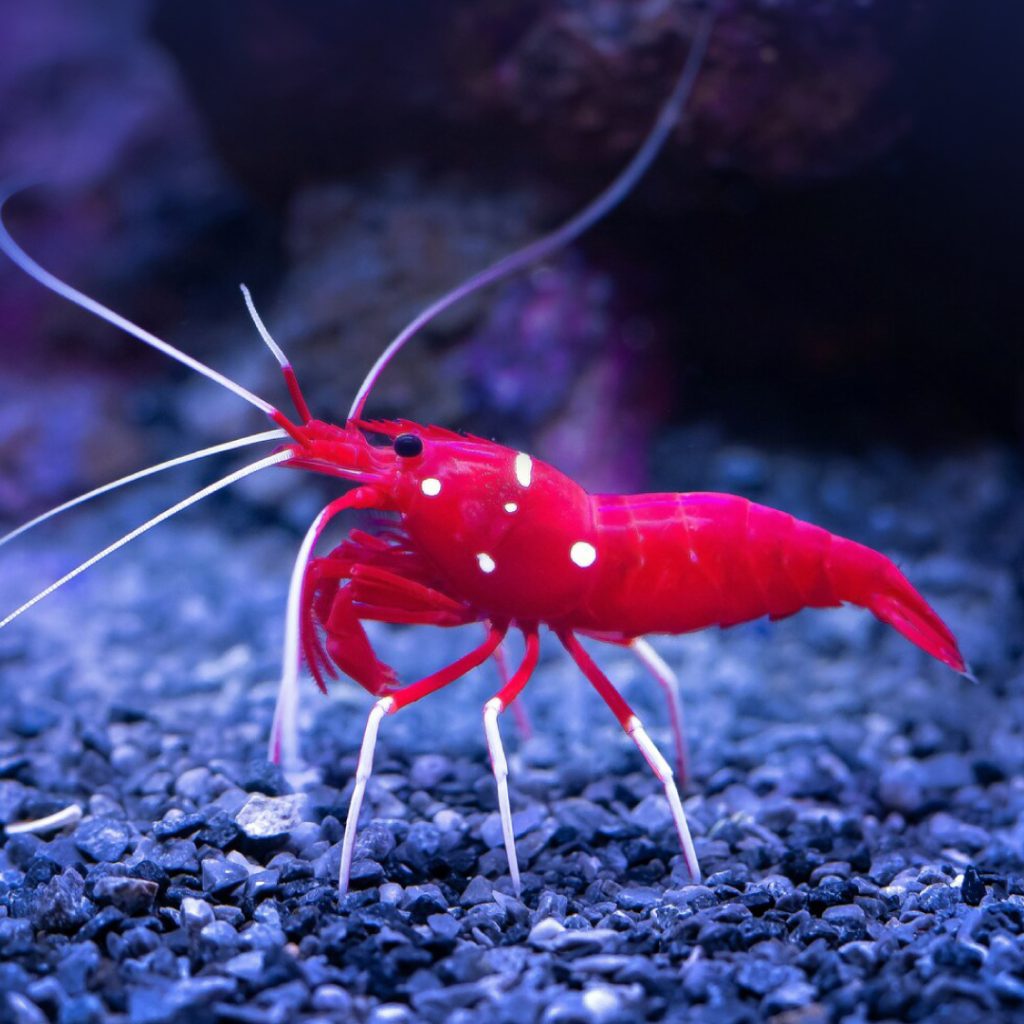
IHHNV is a tiny DNA virus (a parvovirus) that infects shrimp. You can think of it as a microscopic troublemaker with a big name. It’s highly contagious to most farmed shrimp species, including Pacific white shrimp (Penaeus vannamei), black tiger shrimp (P. monodon), Pacific blue shrimp (P. stylirostris), and many others.
The virus isn’t a threat to people (so your shrimp dinner is safe), but it can wreak havoc in shrimp ponds. In fact, IHHNV is infamous for causing what farmers call “runt-deformity syndrome” (RDS), surviving shrimp end up stunted and deformed instead of growing to full size. In some species, especially P. stylirostris, IHHNV can hit like a ton of bricks with massive die-offs, while in others like P. vannamei and P. monodon, it’s more of a slow burn, leading to chronic growth problems. Even if the shrimp don’t die, they’re not out of the woods. So the virus often leaves them as runts, which is bad news for production.
What Are the Symptoms?
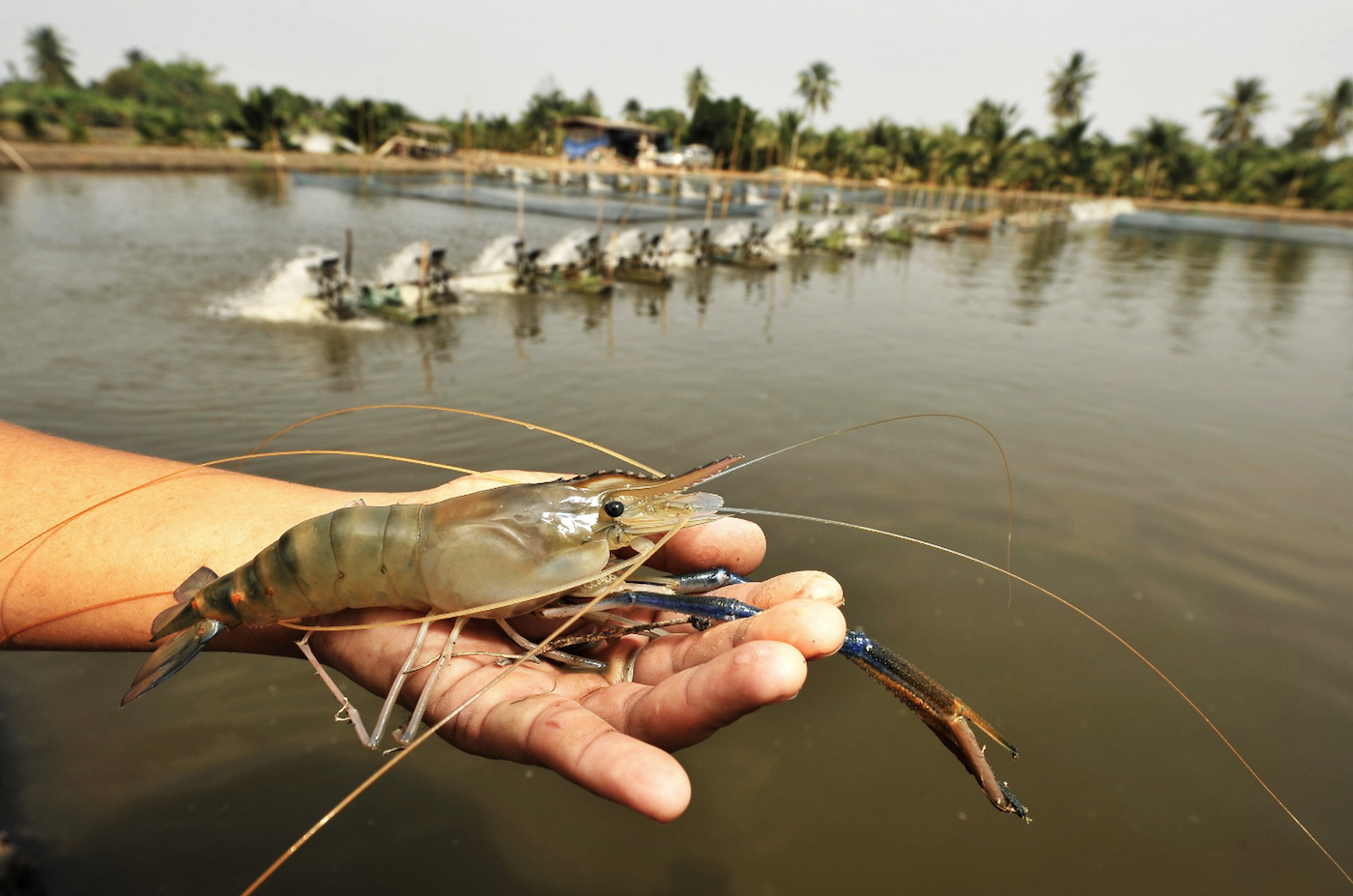
Symptoms of IHHNV can range from subtle to dramatic. In young shrimp of a highly susceptible species, it can be the tip of the iceberg of a bigger outbreak. You’ll notice unusual behavior and high losses. Shrimp may become weak and listless, sometimes doing a strange “rise and fall” dance: they slowly float up to the surface, then lose strength, roll over, and sink to the bottom, only to repeat the cycle until they eventually die or get eaten by healthier tank mates. During acute outbreaks, mortality can skyrocket in the worst cases, 80–90% of juveniles might perish. These moribund shrimp often develop a mottled appearance with tiny white or buff spots on their shell (different from the large white spots of White Spot Syndrome) and may turn a bluish color as they weaken.
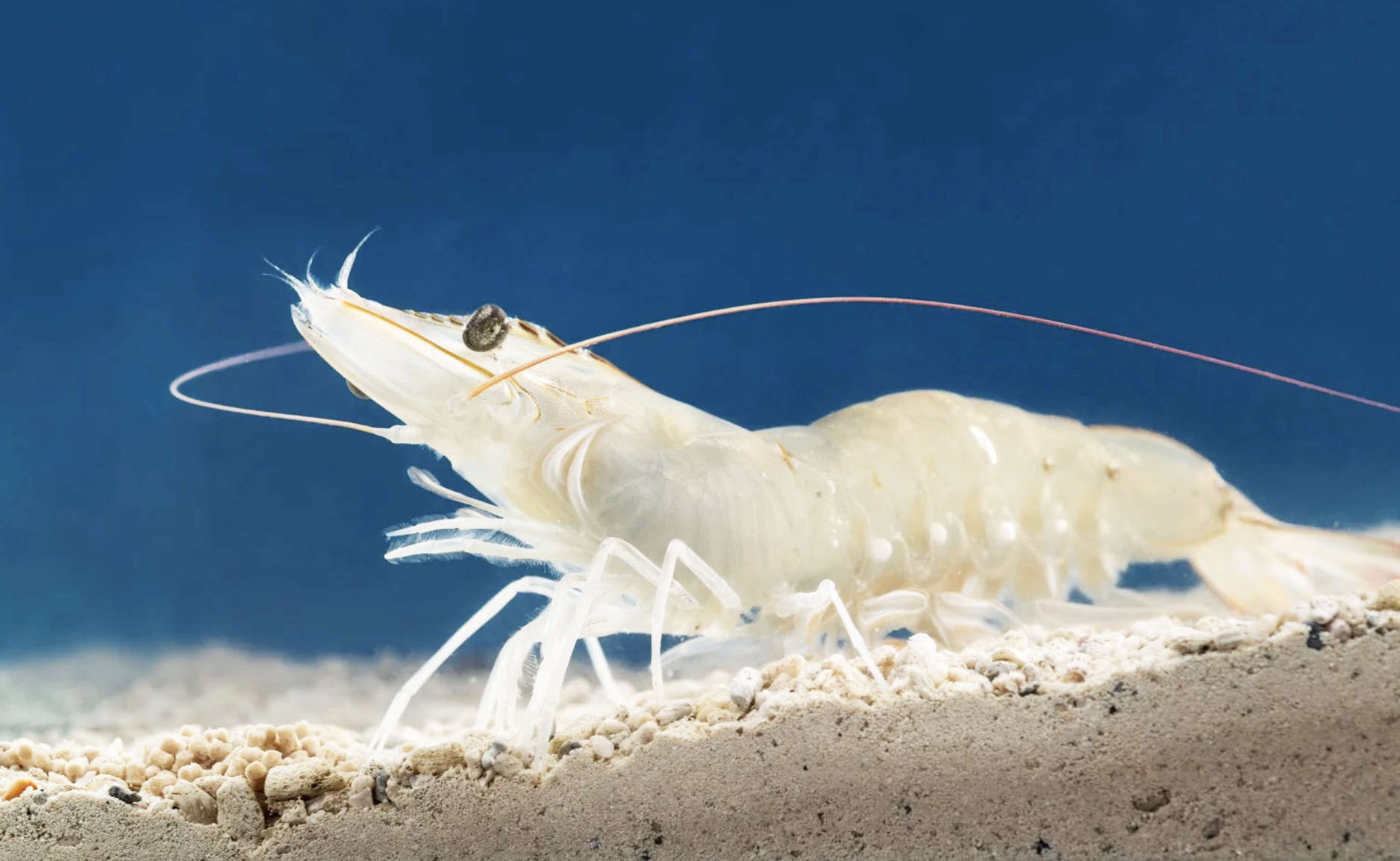
In species like whiteleg shrimp, IHHNV tends to cause chronic issues rather than immediate die-offs. The virus is small but mighty in its long-term effects. Infected populations show a mix of normal and stunted shrimp. You’ll see runts alongside occasional normally sized siblings, giving an uneven, patchy growth in the pond. Many affected shrimp display odd shell deformities: a rostrum (the “nose” of the shrimp) bent at a crazy angle (often 45–90° sideways), a deformed sixth tail segment, “wrinkled” or shrunken antennae, and overall rough or malformed exoskeletons. This constellation of signs is the hallmark RDS. It’s like each affected shrimp missed the memo on growing up. They stay small and often look a bit mangled. Farmers might jokingly call them “bubble-heads” due to their disfigured shells. Reduced appetite and cannibalism can also occur, as weaker shrimp die and others feed on them. Unfortunately, some shrimp can carry IHHNV without obvious signs at all, so a perfectly normal-looking crop could still be hiding this viral guest.

How Is It Diagnosed?
Because IHHNV’s effects aren’t always obvious, diagnosis relies on laboratory tests. The rule of thumb in the shrimp world: if you suspect IHHNV, confirm it with a PCR test. PCR (polymerase chain reaction) is a DNA test that can detect even low levels of the virus, and it’s considered the gold standard for IHHNV diagnosis. Typically, you’d send sample shrimp (or pieces of tissue like pleopods or gill clips) to a lab, and they’ll run PCR to check for the virus’s genetic material. This test is sensitive and can catch the infection even if only a few shrimp are infected or if they’re carriers without symptoms. In fact, routine PCR screening of broodstock and post larvae is common on modern farms to ensure you’re not stocking infected animals.
Veterinarians and pathologists can also look for telltale signs under the microscope. IHHNV causes distinctive intranuclear inclusion bodies (basically, viral “footprints” inside cell nuclei) in certain shrimp tissues during acute infection. However, spotting these requires special stains and expertise, and it’s a bit like finding a needle in a haystack if the infection is mild or chronic. In chronic RDS cases, those classic inclusions may be scarce, making microscopy unreliable. That’s why PCR is the go-to. In short, diagnosing IHHNV is a two-step process: notice something’s off (unusual mortalities or lots of runts), then verify with a lab test. Some farms also prescreen broodstock with PCR as a preventative measure, better to nip it in the bud than let a virus slip into your pond unnoticed.

Can It Be Prevented?
There’s no cure or vaccine for IHHNV. No magic bullet pill or shot we can give to infected shrimp. That means prevention is the name of the game (an ounce of prevention is worth a pound of cure here!). The good news is, the industry has learned a lot about keeping this virus at bay. One of the best strategies has been the use of Specific Pathogen Free (SPF) shrimp stocks. Shrimp that are certified free of IHHNV and other major viruses. Think of SPF shrimp like those kids in school who always wash their hands. They come in clean, giving your farm a clean slate. Using SPF broodstock and post larvae dramatically lowers the risk of introducing IHHNV to your ponds. (Just remember, “SPF” is a health status, not a genetic superpower. You still need good biosecurity, because even SPF shrimp can catch IHHNV if it’s introduced later.)
If you can’t get SPF stock, the next best thing is rigorous screening and quarantine. As a rule of thumb, test any new broodstock or batches of larvae with PCR before stocking them. If a test comes up positive, it’s better safe than sorry, don’t introduce those animals to your facility. Culling carriers early is far easier than dealing with an outbreak later. Biosecurity measures on the farm are also critical. IHHNV can spread horizontally through water and by shrimp eating infected carcasses, and it can also hitchhike vertically from parent to offspring. So, practice good housekeeping: disinfect equipment between ponds, treat incoming water (or use filtered/treated water), and keep wild crustaceans or unscreened animals out of your culture system. Quarantine new arrivals for a while to watch for any signs before mixing them with your main stock.
Keep in mind, IHHNV is tough as nails in the environment. It’s known as one of the most stable shrimp viruses, capable of surviving extreme conditions (freezing, glycerine, etc.) without losing its punch. So, routine pond clean outs, drying and UV-treating ponds, and thorough disinfection between crop cycles are important steps to knock down any lingering virus. There’s no getting complacent with this bug.
References
Infectious hypodermal and hematopoietic necrosis (WOAH). https://www.woah.org/fileadmin/Home/eng/Internationa_Standard_Setting/docs/pdf/2.2.02_IHHN.pdf
Government of Canada, F. and O. C. (2018, December 4). Infectious Hypodermal and Haematopoietic Necrosis Virus (IHHNV) of Penaeid Shrimp. Www.dfo-Mpo.gc.ca.
https://www.dfo-mpo.gc.ca/science/aah-saa/diseases-maladies/ihnvsp-eng.html
Dominguez-Mendoza, L., Tapia-Chirinos, S., Nuñure-Ortega, J., Rodríguez-Callan, J., Grabiel-Ataucusi, S., Ramos-Espinoza, F., … & Velazco-Peña, R. (2025). Absence of inflammatory response by infectious hypodermal and hematopoietic necrosis virus (IHHNV) in Penaeus vannamei cultivated in northern Peru. Latin american journal of aquatic research, 53(1), 89-99. https://www.scielo.cl/scielo.php?pid=S0718-560X2025000100089&script=sci_arttext
United States Department of Agriculture Animal and Plant Health Inspection Service. (n.d.). https://www.aphis.usda.gov/sites/default/files/fsc-ihhnv.pdf