



Prologue: At the Gates of CDV
Tiny morbillivirus, five battlefields: lungs wheeze, guts churn, nerves misfire, skin cracks, eyes weep. It spreads like gossip at the dog park and hits hard. And it’s not just dogs on the line; ferrets and a roll call of wild carnivores (foxes, raccoons, skunks, even big cats like tigers and leopards!) can get swept up in the blast radius. The sliver of good news? It’s not zoonotic! Humans and house cats aren’t on its guest list. But for dogs and other susceptible species, CDV is pure horror for the most part; fast, sneaky, and system hopping nightmare bunny. Keep your guard up, keep vaccines current, and don’t give this BEAST a foothold.

Clinical Signs: Multi-System Mayhem
CDV kicks the door in early. It hammers the immune system, drops the shields, and invites every freeloading bug to the party. What you see first is that sneaky, fluish vibe: fever, no appetite, dehydration and malnutrition, and runny eyes/nose that start clear and turn goopy before you can blink. And in the advanced stage bone-deep lethargy. It feels like “just a cold” until it doesn’t.
Then the virus goes for the chest and the gut for a one-two punch. Cough ramps up, breathing gets tight (dyspnea), and in rough cases you’re staring at full blown pneumonia. Meanwhile, the GI tract takes a hit too: nausea, vomiting, sometimes diarrhea the kind that drains the tank so connected to diarrhea dehydration, weight loss, and even malnutrition creep in, especially in pups without much reserve. It’s a steamroller: lungs wheeze, guts churn.
And then comes the plot twist you don’t want… Neurologic signs during the illness or weeks after you thought you’d turned the corner and it was finally over. Then the dominos fall: dogs get disoriented, lose coordination, and develop that relentless myoclonus spasms; some crash into seizures, including the classic “chewing gum fits,” and severe cases can slide into partial or complete paralysis. CDV leaves calling cards on the way out, too: “hard pad” those thickened, hardened footpads and crusty noses and in survivors that were young at infection, enamel hypoplasia that leaves a lifelong mark on their innocent smile. Bottom line: this is a five-headed beast. It softens defenses, crushes lungs and gut, and ambushes the neurolgic system. So keep your guard up and your vaccines on schedule.
Transmission: How Distemper Spreads
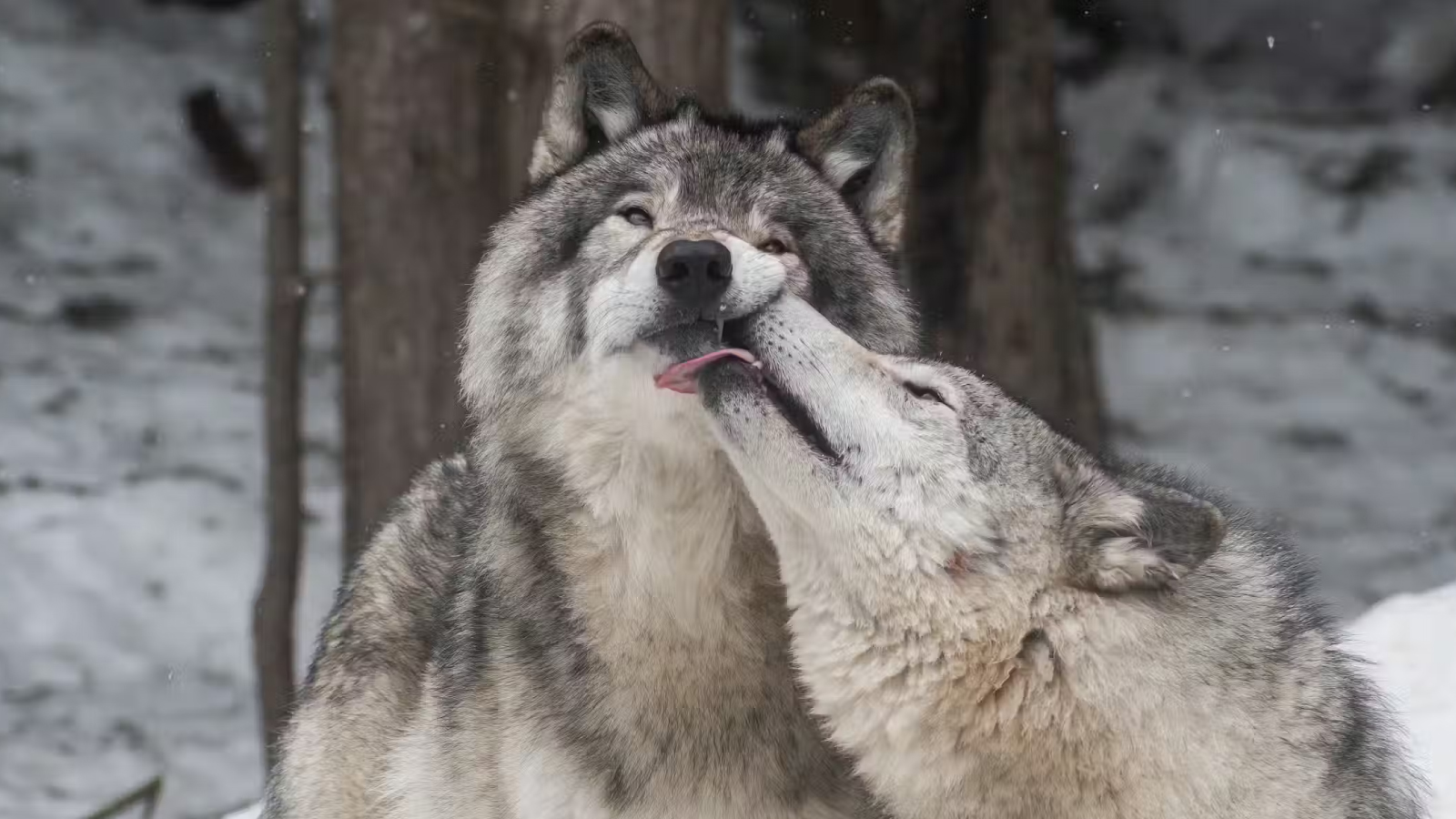
Keep in mind that CDV is a close quarters hustler. It hitchhikes on respiratory droplets and any sloppy swap of secretions. One nose boop, one lick from a shared bowl, one saliva shined toy, and the beast has a ride. It spills from everything: nasal mucus, eye gunk, spit, urine, and feces. Even before the puppies take their first breath, an infected dam can pass it across the placenta. Coughs seed the air; curiosity closes the gap.
Outside a host, though, this virus isn’t a tank it’s fragile. Fomite spread is mostly a “fresh spill” problem; give it time and it fades fast. Cold, damp weather buys it a little time, but heat, sunlight, and ordinary disinfectants (like diluted bleach) shut it down fast. The real headache is the wildlife pipeline; animals like raccoons, foxes, skunks keeping CDV in circulation and spilling over to unvaccinated dogs.
Diagnosis: Unmasking the Fiend
CDV is a master of disguise: it hits multiple systems and mimics a dozen other diseases. The tell is the pattern. One dog, many systems; respiratory + GI ± neuro, especially if the dog’s unvaccinated or fresh off contact with sick animals or wildlife. That’s your siren; the lab does the unmasking.
The old playbook is hunting inclusion bodies or chasing antibodies belongs in a museum. Today we go molecular: RT-PCR to confirm fast and clean, rapid antigen tests for on-the-spot triage, and targeted follow-ups as needed to separate look alikes from the real thing. And that’s where we come in.
RT-PCR: Detecting the Virus’s Genetic Footprint
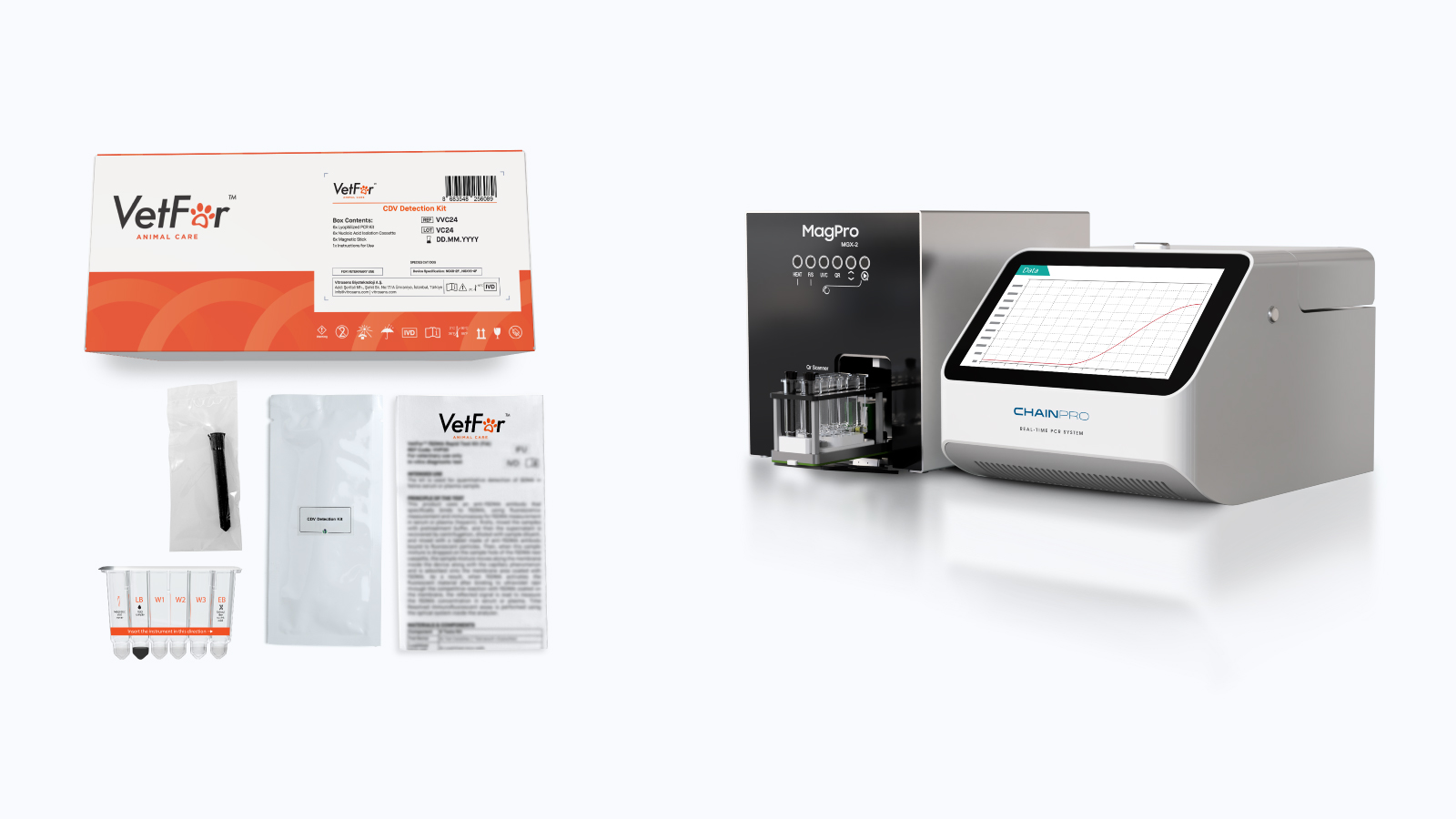
RT-PCR is the gold standard as the precision blade and a lighthouse in one. It hunts down the virus’s RNA with razor sharp sensitivity. Run it on nasal/oropharyngeal, or ocular swabs, blood, feces and if the brain’s in the crosshairs cerebrospinal fluid. It shines in the early, high shedding window. Positive? Case closed. Negative? Not a pardon. If the sample’s mistimed or the viral load is low, the monster can still be lurking. Bottom line: when you need a fast, definitive call, PCR is the button you hit. The trick is knowing the right sample, right site, right time. So it lines up with stage and prognosis. Leave it to your trusted vets.
Lateral Flow Immunoassays: Quick On-Site Screening
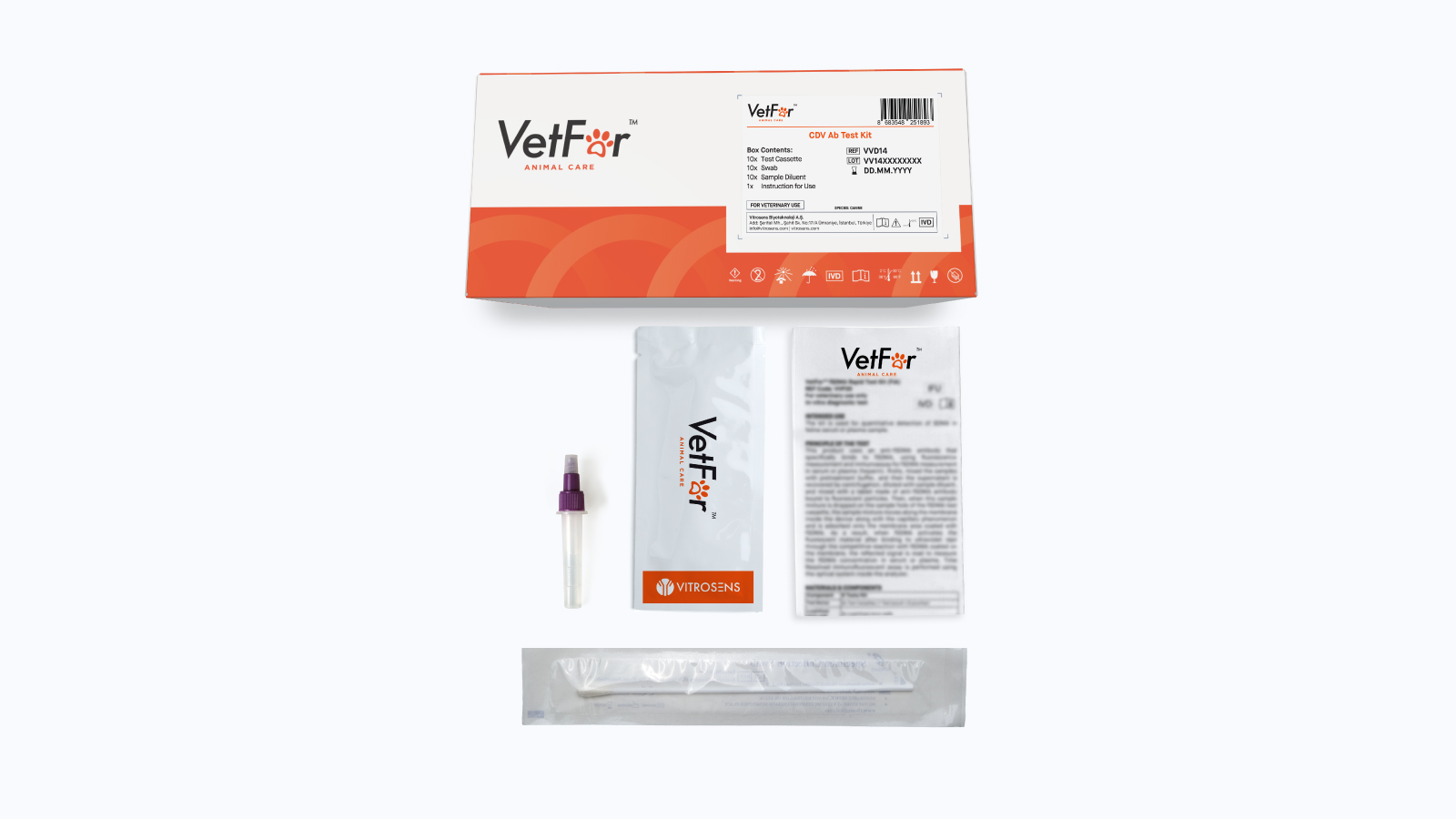
Think of LFA as your strip side verdict: a few drops, a short wait, and you’ve got a minutes-fast results and go/no-go call. Perfect for triage to isolate a coughing dog now, not tomorrow. The catch? Speed trades off sensitivity compared to RT-qPCR. LFAs routinely miss low level shedders. The upside is big though: specificity runs high, so a positive is a red hot flag. But negative DOES NOT mean it’s all clear. If the story still screams distemper, pull the right swab and send RT-PCR.

Fortress Mode: Keep CDV Out
No cure, often fatal. That’s the ugly truth, which is why prevention isn’t optional, it’s the whole plan. The good news: the core distemper vaccine slams the gate on the Five-Headed Beast when you stick to clockwork timing. Start at 6–8 weeks, boost every 2–4 weeks until at least 16 weeks, give a booster at around 1 year, then keep boosters as your vet recommends based on lifestyle and local risk. Shots alone aren’t the end of the story, though: cut the virus off from easy rides. Keep puppies and unvaccinated dogs away from the sick, skip mystery play dates, and steer clear of wildlife that can shuttle CDV (think raccoons and foxes). If a dog is suspect, isolate immediately. One space, no shared bowls, toys, or leashes and disinfect thoroughly with standard virucidal cleaners (diluted bleach gets it done). Finish the job with handler habits: wash hands, change clothes after handling sick or stray animals so you don’t ferry trouble home. Do these simple things on schedule, without gaps and you keep CDV on the wrong side of the door.
In the End…

During my internal medicine rotation, a German Shepherd became my patient. She was bright and affectionate and has a pure energy. She had been with her new family for only six months, and she had been in this world for only eight. When we realized she was positive for distemper, we started treatment and full supportive care immediately. They came every day. Five days passed. On the fifth night, at 2 a.m., while I was on call as the emergency intern, they rushed her to the hospital. That beautiful dog with the glossy coat and sparkling eyes was now skin and bones. Breathing was a battle; even eating seemed too much for her body. I admitted her and did everything I could. Her condition was critical. I kept returning to her side, again and again, ready to act the second she needed me. That readiness, that immediate response, is everything to us veterinarians.
By morning, her owner was back. She now met every criterion for euthanasia: a devastating prognosis and a body that had lost most of its weight. We discussed and offered euthanasia. He called me over, crying silently. He looked at me as if I might somehow make it all okay. “Please,” he said, “you’ve been with her from the start. What should I do? This is so hard. I don’t know how to decide.” Those words pierced me. I did not know what to say. All I could manage was, “Look into her eyes. She will tell you what she wants. You will understand best, because you know her best.” The young man lowered his head and kept crying. I whispered “I’m sorry,”, and walked back into the hospital corridor. Distemper is like that, a disease that leaves you unsure of what to do and forces you to make impossible choices.
Today is August 26, National Dog Day. Look at your dog, the companion who celebrates your victories more than you do, even if they have no idea about the details, who waits for you to come home, sometimes with saintly patience, sometimes by redecorating the place with mischief. This is the one who does not leave you alone in your deepest grief, who grieves with you, who sometimes licks away your tears when there is no one else to wipe them, and who may love you more than anyone ever could. Take care of them.
Missed a dose? Behind on shots? Life happens. Call your vet, catch up the vaccines, keep the checkups. Against this massive, seemingly unbeatable disease, they have no one but you. You are their only protector. And that’s the point: your best friend has only you.