



Canine distemper is a highly contagious viral disease that affects dogs worldwide. Caused by the Canine Distemper Virus (CDV), this virus is notorious for attacking multiple systems within a dog’s body, including the respiratory, gastrointestinal, and nervous systems. It can lead to symptoms ranging from coughing and nasal discharge to vomiting, diarrhea, and seizures. Unfortunately, CDV often strikes fast and hard particularly in puppies or unvaccinated dogs. It can be fatal if not detected early.
Early detection is key. Without prompt diagnosis and intervention, CDV can spread quickly between dogs through airborne exposure or shared water and food bowls. As a responsible pet owner or veterinary professional, having access to a reliable diagnostic tool is not just beneficial, it’s essential.
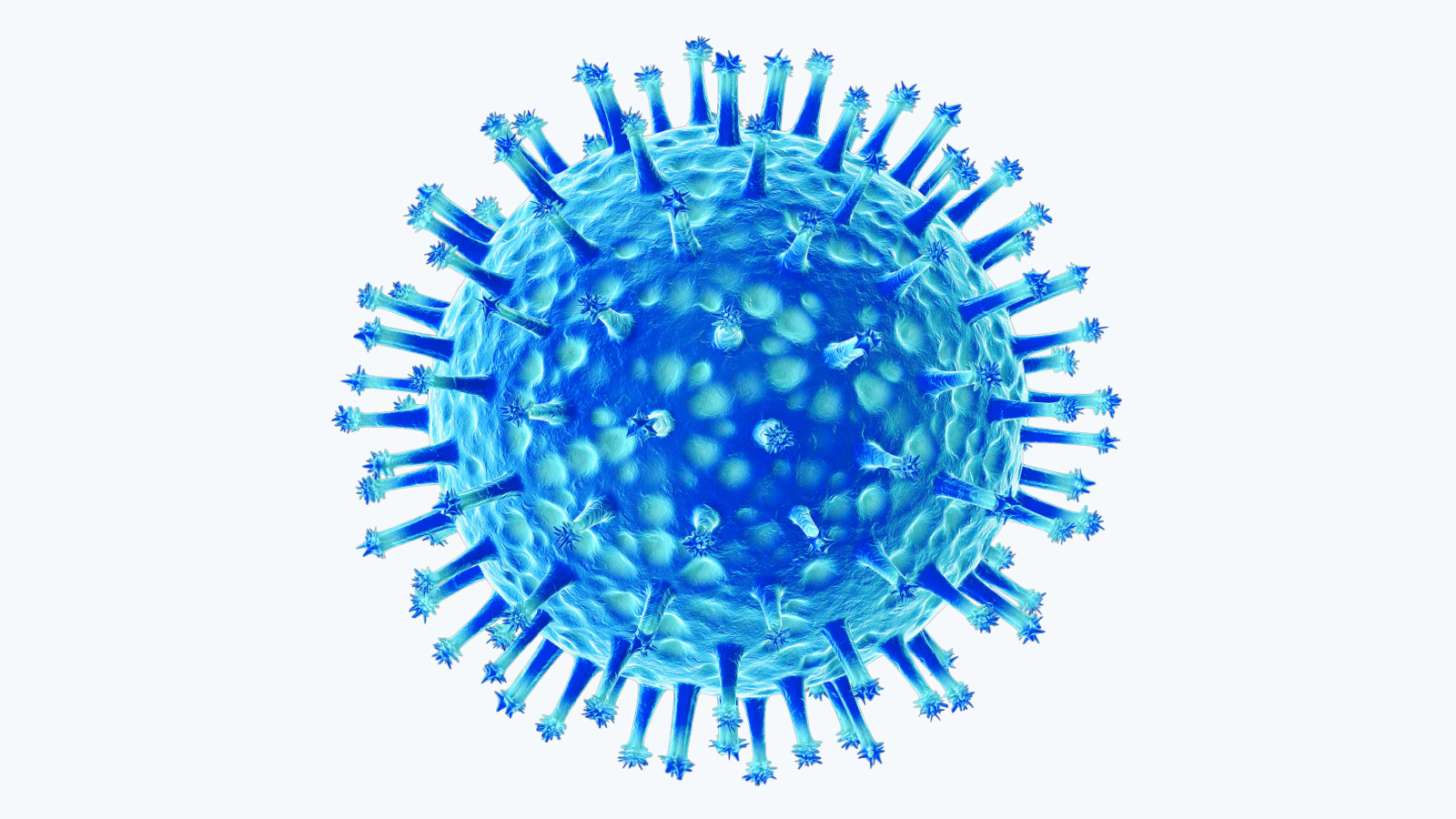
Understanding the Canine Distemper Virus (CDV): The Pathogen Behind the Threat
The Canine Distemper Virus (CDV) is a highly contagious and often deadly pathogen belonging to the genus Morbillivirus within the family Paramyxoviridae, the same family that includes the human measles virus. It is a single-stranded RNA virus that primarily affects domestic dogs but can also infect wildlife species such as foxes, raccoons, skunks, wolves, and even big cats.
How CDV Spreads
CDV is primarily transmitted through aerosolized droplets from infected animals which means sneezing, coughing, or even breathing can spread the virus to nearby dogs. It can also spread through direct contact with bodily fluids (like urine, saliva, or ocular discharge) and contaminated surfaces (bowls, bedding, equipment).
Once inhaled or ingested, the virus begins its journey in the respiratory tract, then travels to the lymphoid tissue, where it suppresses the immune system. This immunosuppression makes infected dogs highly vulnerable to secondary bacterial infections. If the virus progresses, it may reach the gastrointestinal tract, causing vomiting and diarrhea, or the central nervous system, where it causes seizures, muscle twitching, or paralysis.
Symptoms to Watch For:
Canine distemper has a wide spectrum of clinical signs, which can vary depending on the stage and severity of the infection. Common symptoms include:
- Fever (often biphasic)
- Nasal and ocular discharge
- Coughing
- Vomiting and diarrhea
- Lethargy
- Loss of appetite
- Hyperkeratosis (“hard pad disease”)
- Neurological signs (e.g., seizures, ataxia, head tilt)
Neurological symptoms are often irreversible and are associated with chronic distemper encephalitis, which can appear weeks after the initial infection.
Risk Factors
- Unvaccinated puppies are the most vulnerable.
- Dogs in shelters, kennels, or high-density housing have a higher risk of exposure.
- Wild animals and dogs with outdoor access may serve as reservoirs or vectors.
- Global outbreaks are not uncommon due to under-vaccination in stray populations and wildlife.
Why CDV Remains a Major Veterinary Concern
Despite widespread availability of vaccines, CDV outbreaks still occur frequently especially in regions with low vaccination coverage or high stray animal populations. Moreover, due to its broad symptom profile, CDV can easily be misdiagnosed in the early stages as kennel cough, parvovirus, or even poisoning, underscoring the need for rapid and reliable testing methods.
Once neurological symptoms develop, the prognosis becomes poor, and treatment focuses primarily on supportive care rather than cure. In some cases, even recovered dogs may suffer from lasting neurological deficits.
Why Accurate Diagnostics Are Crucial in CDV Cases
Early diagnosis of CDV can dramatically change the outcome for affected dogs. Timely treatment can help control symptoms and prevent secondary infections. Equally important, accurate diagnosis helps prevent the spread of the virus in environments like animal shelters, kennels, or dog parks.
Traditional methods like PCR testing are effective but can be time-consuming and require specialized laboratory equipment. In a field where every minute counts, rapid and reliable testing solutions are a game-changer. That’s where the VetFor CDV Rapid Antigen Test Kit (FIA) comes into play.
Introducing the VetFor CDV Rapid Antigen Test Kit (FIA)
The VetFor CDV Rapid Antigen Test Kit (FIA) by Vitrosens Biyoteknoloji A.Ş. is designed to deliver quick, accurate, and easy detection of Canine Distemper Virus antigens directly from fecal samples. It is a lateral flow immunofluorescent assay that enables veterinarians and professionals to diagnose CDV in a clinical setting or even on-site.
Product Highlights:
- Target species: Canine
- Sample type: Fecal samples
- Result time: Within 15 minutes
- Storage: Stable at 2°C–30°C
- No cross-reactivity with similar pathogens like CPV, CCV, CAV, and Giardia
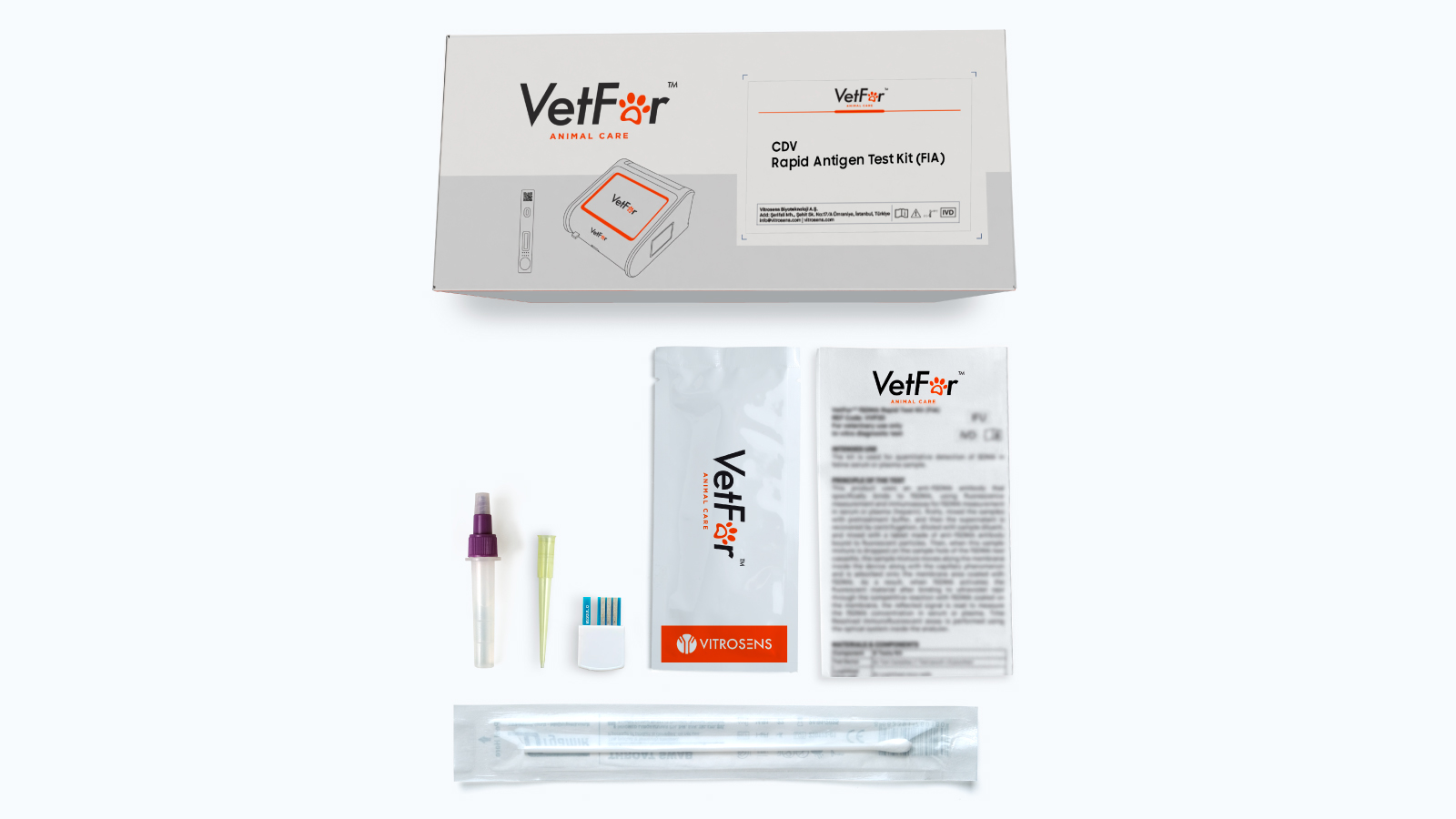
Top Advantages of VetFor CDV Rapid Antigen Test Kit (FIA)
- Speedy Results
Time is critical in CDV management. The VetFor kit provides results within 15 minutes, significantly faster than PCR lab methods that may take hours or days.
- User-Friendly Design
The kit comes with everything needed: test cassettes, sample diluent, pipette tips, swabs, and even an ID chip. No complicated lab setup is required, just a clean workspace and a few minutes of time.
- Portable and Convenient
Because it does not require refrigerated shipping and can be stored at room temperature, VetFor is ideal for use in mobile clinics, shelters, or fieldwork settings.
- Compatible with VMFIA1001 Device
This test works seamlessly with the VMFIA1001 fluorescence analyzer, offering precise digital readings and eliminating human error from visual interpretation.
How to Use the VetFor CDV Rapid Antigen Test Kit (FIA)
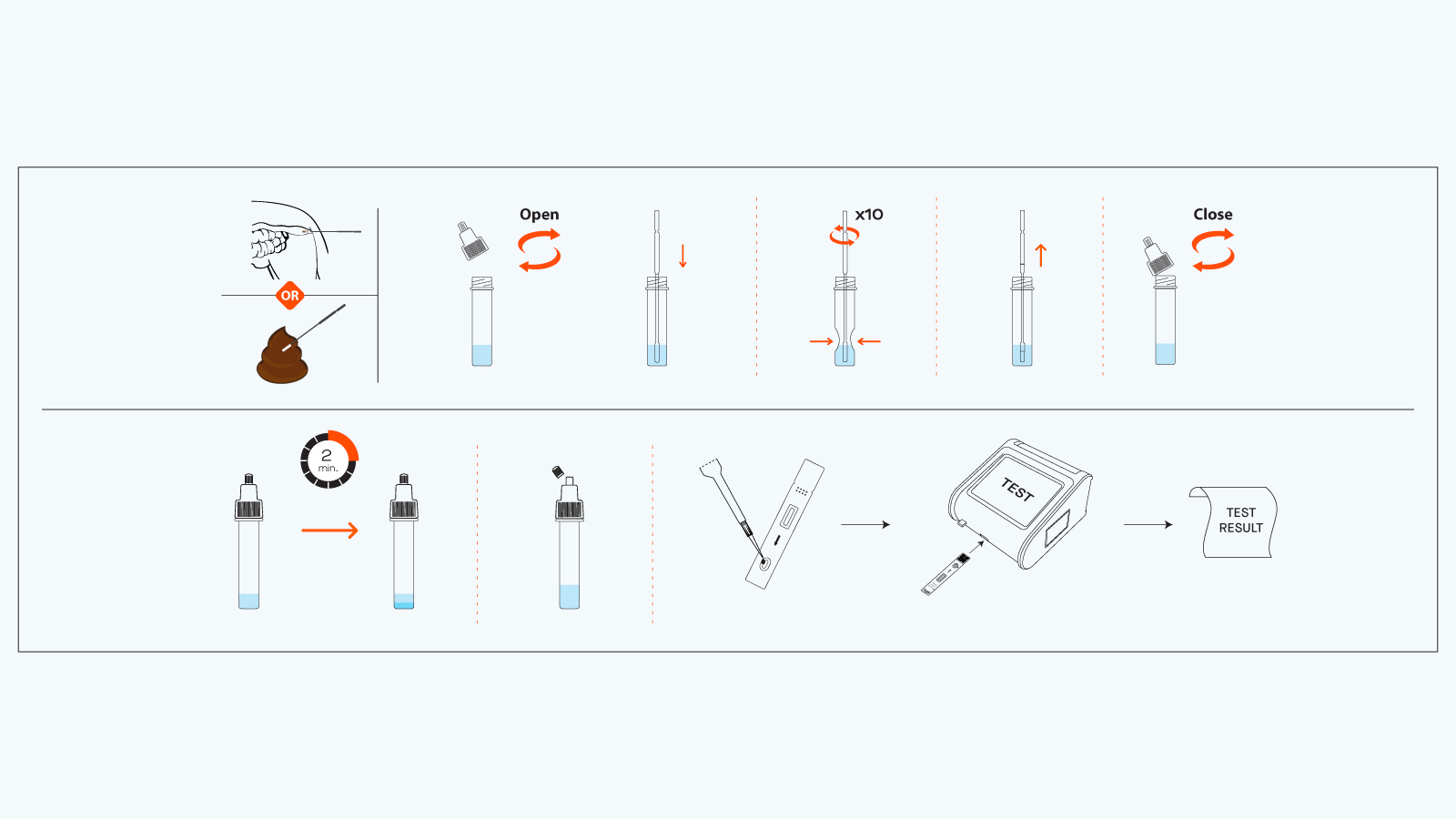
Follow these simple steps to ensure optimal results:
Step 1: Sample Collection
- Use the provided swab to collect a fecal sample or insert it gently into the dog’s rectum.
- Ensure enough sample is collected without overloading the swab.
Step 2: Sample Processing
- Place the swab into the tube with the sampling solution.
- Rotate it 10 times, squeeze against the tube wall, and leave it to settle for 2 minutes.
Step 3: Running the Test
- Pipette 100 µL of the processed sample into the sample well of the test cassette.
- Insert the cassette into the VMFIA1001 device either immediately or after the 15-minute reaction time, depending on whether you’re using the quick or standard test method.
Step 4: Reading the Results
- After the test completes, the device will display either a positive or negative result.
- A positive result confirms the presence of CDV antigens in the fecal sample.
Important Notes:
- The test should be conducted at room temperature with less than 70% humidity.
- Do not reuse any components.
- Dispose of all used materials as medical waste according to regulations.
When Should You Use the VetFor Kit?
This test is ideal in situations where:
- Dogs are showing early signs of respiratory or gastrointestinal illness.
- A shelter or boarding facility needs quick screening.
- A veterinarian requires rapid, on-the-spot diagnostics.
- There’s suspicion of an outbreak and immediate isolation decisions are needed.
Backed by Science and Built for Professionals
The VetFor CDV Rapid Antigen Test Kit (FIA) has undergone rigorous clinical evaluations to ensure its reliability. What’s more, thanks to its lack of cross-reactivity, the test avoids false positives often caused by similar gastrointestinal viruses, making it ideal for fast differential diagnosis.
Take Action Early – Your Dog’s Life May Depend On It
The devastating effects of canine distemper can be mitigated when detected early. Whether you’re a veterinary practitioner or part of an animal rescue organization, reliable diagnostics empower you to save lives, reduce suffering, and prevent the spread of infection.
The VetFor CDV Rapid Antigen Test Kit (FIA) is not just another test; it’s peace of mind in 15 minutes.
References
- Greene, C. E. (2012). Infectious Diseases of the Dog and Cat. 4th ed. Saunders.
- Martella, V., Elia, G., & Buonavoglia, C. (2008). Canine distemper virus. Veterinary Clinics: Small Animal Practice, 38(4), 787-797.
- Kapil, S., & Yeary, T. J. (2011). Canine distemper spillover in domestic dogs from urban wildlife. Veterinary Clinics: Small Animal Practice, 41(6), 1069-1086.