


Introduction
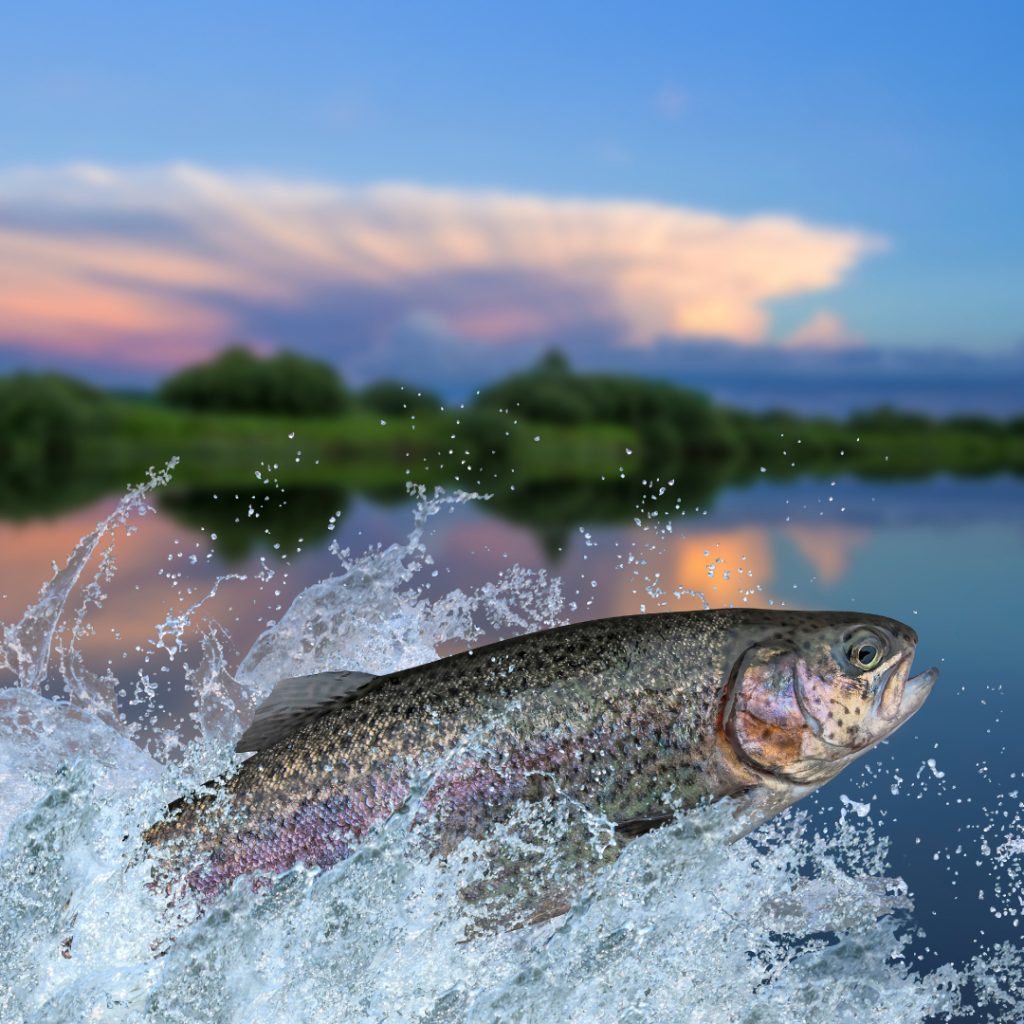
Tiny yellow bacterium, single deadly mission. Infiltrate young fish and rot them from tail to bone. In a quiet trout hatchery on a winter morning, everything looks still until you notice the fry. One by one, they go from darting in the current to drifting listlessly, a dark bruise blossoming near their tails. By week’s end, half are gone, they became the victims of a stealthy cold water plague. The culprit in no other than Flavobacterium psychrophilum, the pathogen behind “bacterial coldwater disease” (BCWD) and “rainbow trout fry syndrome” (RTFS). This bacterium earns its name; psychrophilum means “cold loving” by wreaking havoc in waters under 12°C. It has devastated salmonid farms worldwide, and in severe outbreaks up to 70% of a young trout population can be wiped out.

Source: Contemporary threats of bacterial infections in freshwater fish, Pękala-Safińska, 2018
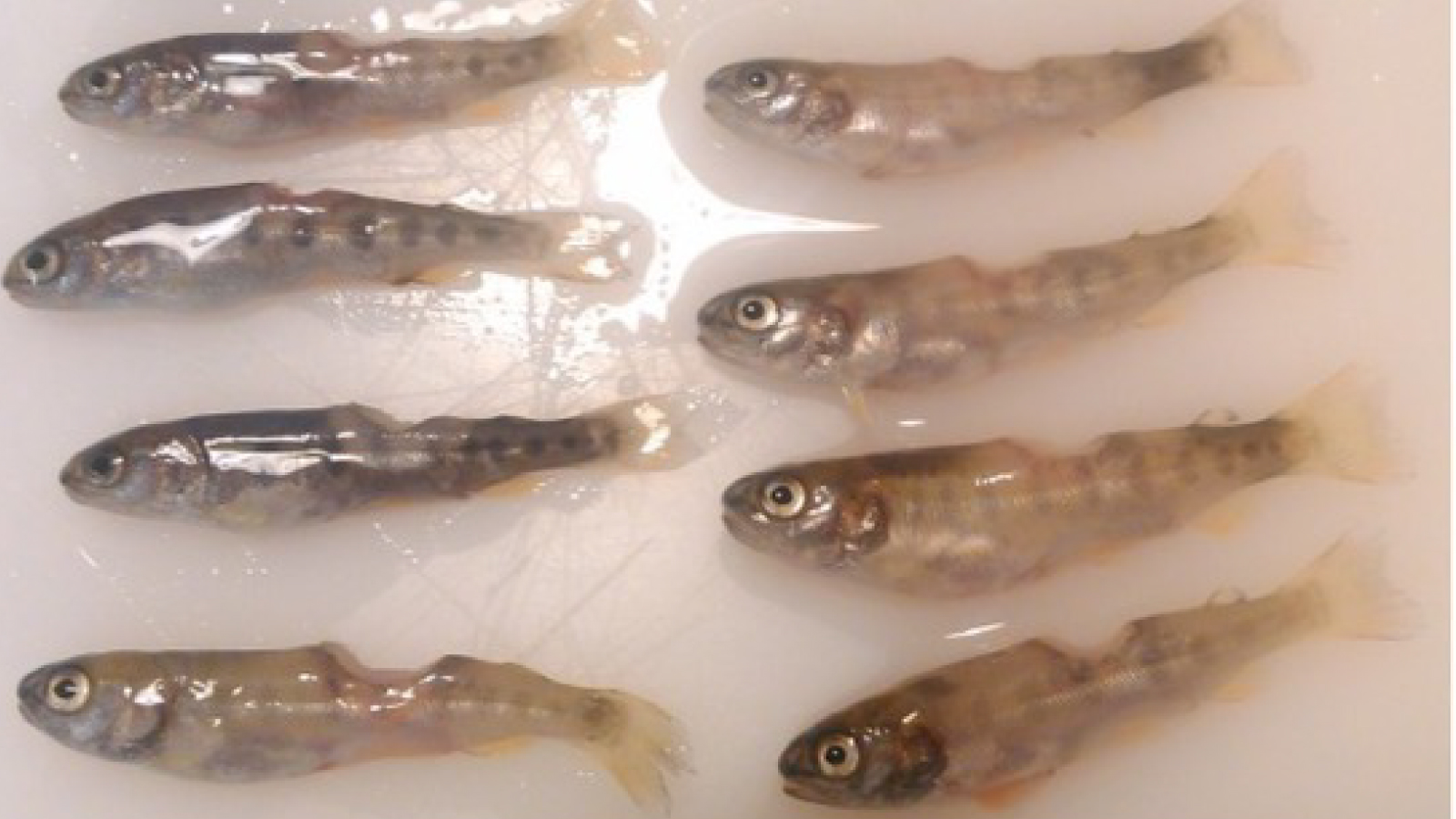
Source: Contemporary threats of bacterial infections in freshwater fish, Pękala-Safińska, 2018
Clinical Signs: Rotting Fins and Crinkle Back
Early signs are subtle. An infected fry might just hover near the bottom with a slightly darkened tail base. Meanwhile, F. psychrophilum is multiplying; in cold water (4–12°C) it can kill up to half the stock before you notice anything wrong. Then the carnage becomes clear: a white/gray film on the skin that ulcerates, frayed fins, and especially a lesion on the caudal peduncle (lower back). In acute cases, that lesion turns into an open sore. The infection literally eats away the tail down to the backbone (hence the nickname “tail rot”). If the outbreak drags on, surviving fish may develop twisted backs (“crinkle back”) from muscle damage and scarring. In some cases the infection reaches the brain, causing erratic corkscrew swimming before death.

Transmission: How Infections Spread
In crowded tanks, one sick fish’s demise can release a cloud of F. psychrophilum into the water, and the bacteria drift into the gills of its neighbors. This horizontal waterborne transmission fish to fish via shared water is the main way BCWD rips through a population. Even healthy looking adult fish can carry F. psychrophilum. Infected parents may pass it to offspring via eggs or milt, sneaking the pathogen into the next generation despite egg disinfection. This one two punch of fish to fish spread and hidden vertical transmission makes BCWD tough to contain.
Diagnosis
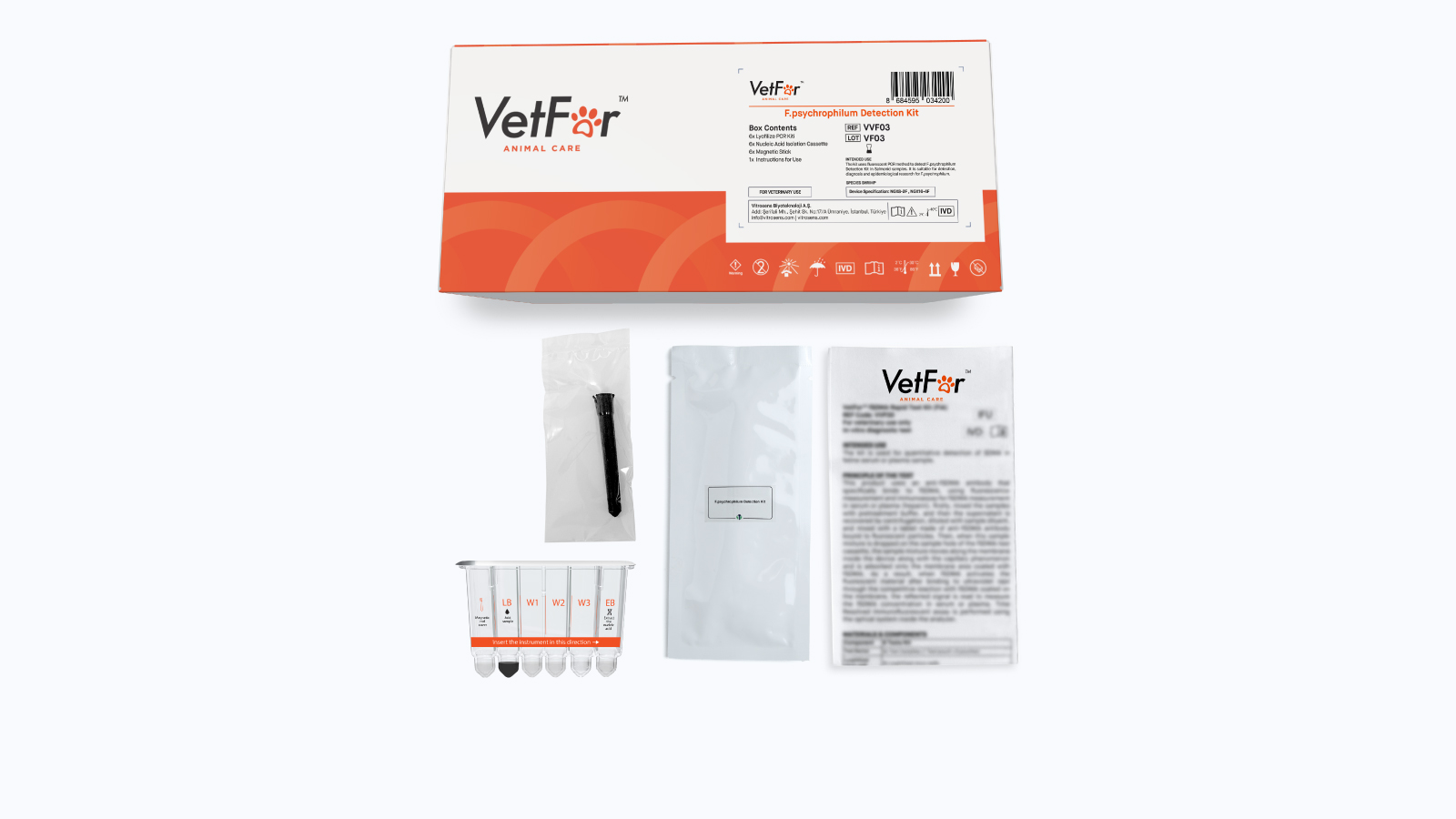
You can’t fight what you can’t confirm. Early BCWD infections can hide among other problems, and F. psychrophilum grows so slowly on lab media that waiting days for a culture confirmation is a risky delay. That’s why PCR testing is now the gold standard. PCR can detect the bacterium’s DNA in hours, and it’s the recommended confirmatory test for BCWD. Our PCR kit can turn a tiny tissue or water sample into a positive ID within hours long before any culture shows growth. By finding the pathogen early, PCR gives hatchery managers a crucial head start to intervene before a few sick fry turn into a die off.
Prevention: Keeping the Hatchery Safe
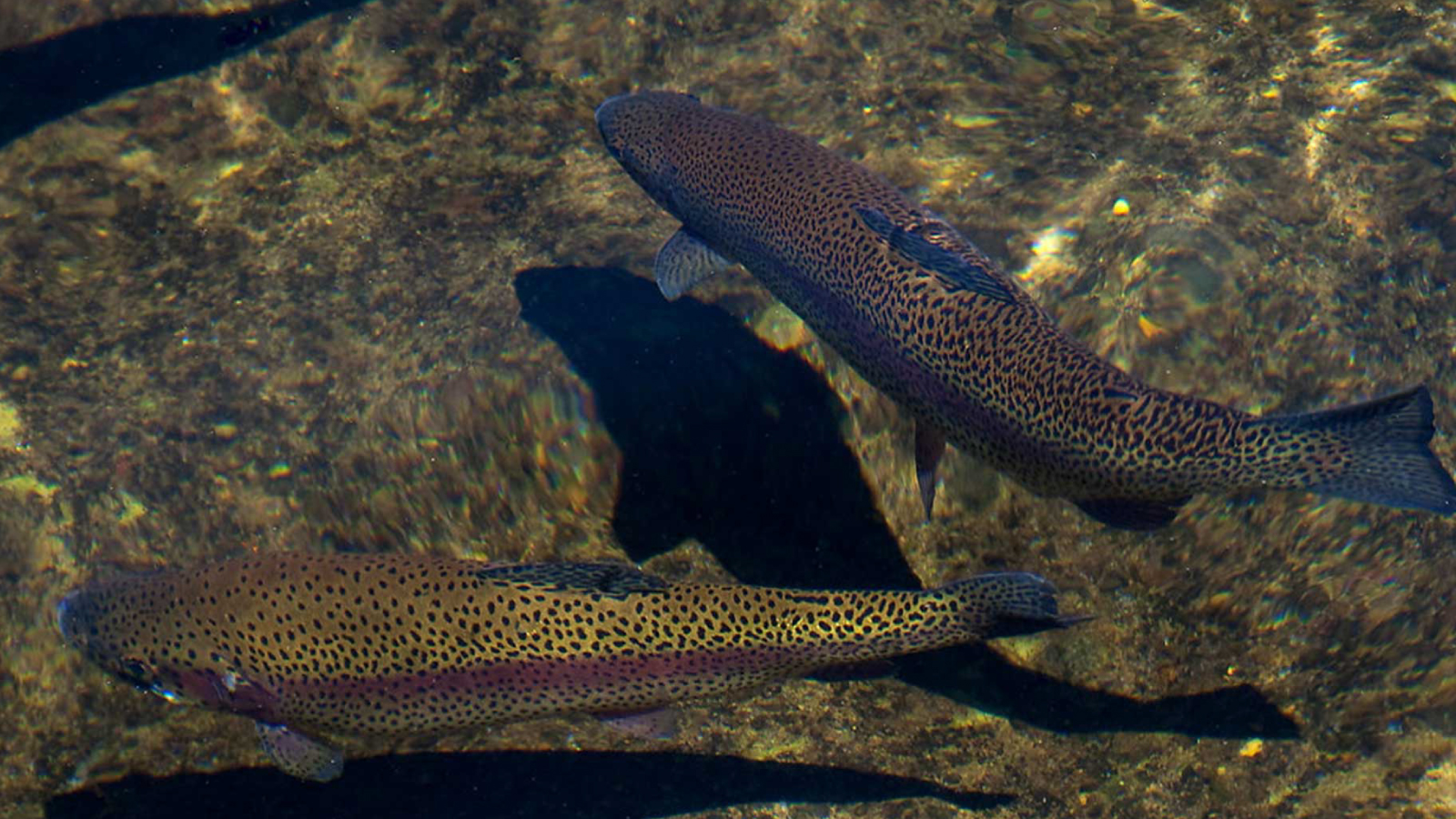
There is no cure all once BCWD takes hold, and for fragile fry treatment often comes too late, so prevention and biosecurity carry the day. Build your defenses on disciplined hygiene and quarantine: disinfect tanks, nets, siphons, and boots on a set schedule; dedicate equipment to each unit; quarantine incoming eggs and fish and handle stock gently to avoid skin injuries that invite infection. Remove mortalities without delay and dispose of them properly so one carcass does not seed the whole system. Keep water clean and moving, optimize stocking density, and, where operationally feasible, nudge rearing temperatures toward 15 °C to support immunity while recognizing that F. psychrophilum can still strike at that temperature. Close the vertical door by screening broodstock with PCR and disinfecting eggs with iodine; this reduces but may not eliminate hidden bacteria. Finally, follow vaccine research closely: immersion vaccines have reported strong experimental protection in trout fry, and vaccinating older carrier fish is being explored to cut transmission. Until a licensed product is broadly available, an integrated plan that pairs tight biosecurity with early PCR screening remains your best shield.
References
- Pękala-Safińska, A. (2018). Contemporary threats of bacterial infections in freshwater fish. Journal of veterinary research, 62(3), 261.
- Strepparava, N., Wahli, T., Segner, H., & Petrini, O. (2014). Detection and quantification of Flavobacterium psychrophilum in water and fish tissue samples by quantitative real time PCR. BMC microbiology, 14(1), 105.
- Hoare, R., Ngo, T. P., Bartie, K. L., & Adams, A. (2017). Efficacy of a polyvalent immersion vaccine against Flavobacterium psychrophilum and evaluation of immune response to vaccination in rainbow trout fry (Onchorynchus mykiss L.). Veterinary research, 48(1), 43.
- Marana, M. H., Dalsgaard, I., Kania, P. W., Mohamed, A., Hannibal, J., & Buchmann, K. (2022). Flavobacterium psychrophilum: response of vaccinated large rainbow trout to different strains. Biology, 11(12), 1701.
- https://wildlife.utah.gov/
- https://www.nifa.usda.gov/about-nifa/blogs/aquaculture-research-aims-reduce-rainbow-trout-losses-us-hatcheries
- https://www.adfg.alaska.gov/static/species/disease/pdfs/fishdiseases/bacterial_coldwater_disease.pdf
- https://units.fisheries.org/fhs/wp-content/uploads/sites/30/2017/08/1.2.2-CWD-BB-chapter-June-2014.pdf