



Introduction
Diabetes mellitus (DM) in dogs and cats is a common endocrine disorder characterized by persistent high blood sugar (hyperglycemia) due to insufficient insulin production or action. Affected pets often show increased thirst, urination, and appetite (polyuria, polydipsia, polyphagia) along with sugar in the urine. Managing pet diabetes requires careful monitoring of blood glucose; however, single glucose readings can fluctuate greatly with feeding, time of day, and stress (especially in cats during vet visits). This is where long term glycemic markers like fructosamine and hemoglobin A1c (HbA1c) come into play, offering a broader view of a pet’s blood sugar control over weeks to months.

Long Term Glycemic Markers vs. Single Glucose Checks
Unlike a “snapshot” blood glucose measurement, fructosamine and HbA1c reflect average glucose levels over extended periods and are not acutely affected by stress or meal timing. Fructosamine results from glucose binding to blood proteins (mainly albumin), and its level represents the average blood glucose over the prior 1–2 weeks. In contrast, HbA1c is formed by irreversible binding of glucose to hemoglobin in red blood cells, reflecting average glucose over a longer span (roughly the past 2–3 months in dogs, somewhat shorter in cats due to their shorter red blood cell lifespan). In practical terms, fructosamine gives a 2 week report card of control, whereas HbA1c provides a 2–3 month semester average of blood sugar control. Both markers offer a more stable indication of glycemic status than a single glucose reading and can help distinguish true chronic hyperglycemia from transient spikes (for example, stress hyperglycemia in an anxious cat).
HbA1c vs. Fructosamine: Pros and Cons
Each glycated marker has its role. Fructosamine is widely used in veterinary practice for monitoring diabetic pets, partly because it is easier to measure and changes over a shorter timeframe, making it useful for month to month adjustments. However, fructosamine can be affected by factors like blood protein levels or thyroid disease (e.g. low albumin or hyperthyroidism can lower fructosamine independently of glycemia). HbA1c, on the other hand, parallels the gold standard human diabetes test and is unaffected by acute stress or daily fluctuations, providing a picture of long term control. Its longer window makes it less sensitive to recent changes, poor control or improvements need a few weeks to register in the HbA1c value. Additionally, conditions altering red blood cell lifespan (e.g. anemia or polycythemia) can bias HbA1c results. In summary, fructosamine is great for short term trends, while HbA1c offers a big picture view. Veterinary guidelines note that both can be used to monitor diabetic pets, and some feline diabetes experts even include elevated HbA1c as evidence to help diagnose diabetes.
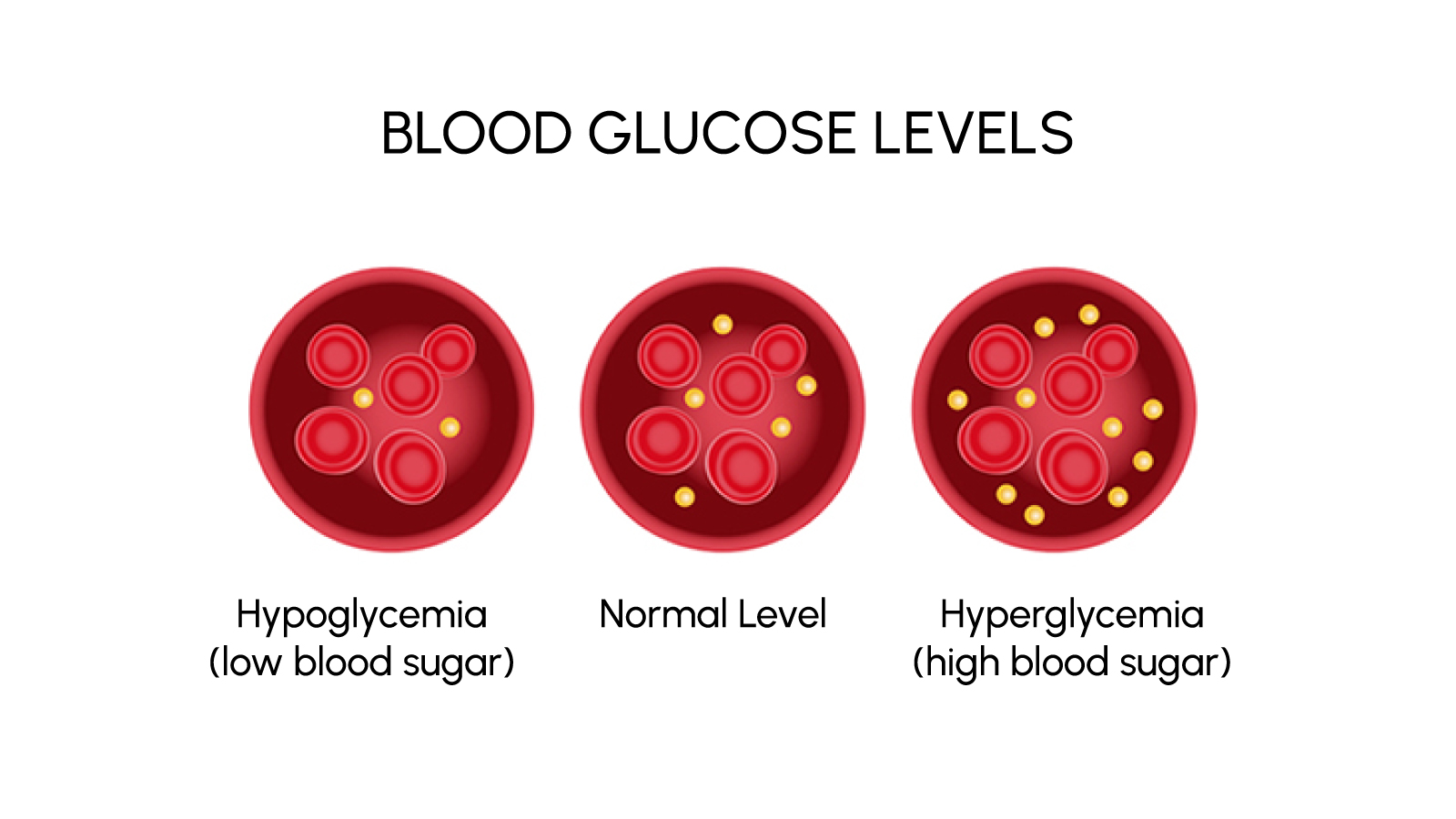
Source: https://mantracare.org/diabetes/overview/blood-glucose-levels/
What Does Research Show About HbA1c in Pets?
Emerging studies indicate that HbA1c is a valuable addition to our diabetes toolkit. Research in diabetic dogs has found that HbA1c levels correlate well with fructosamine and overall glycemic control. For example, one study showed diabetic dogs have significantly higher HbA1c percentages than healthy dogs, and an HbA1c above approximately 6.2% could distinguish diabetic from normal canines. Another study demonstrated that HbA1c results were often more consistent with the veterinarian’s clinical assessment of diabetes control than fructosamine was. The take home message is that HbA1c provides a reliable long term gauge of blood sugar control in pets. That said, experts caution it should complement, not replace, other monitoring methods like blood glucose curves and clinical observation. In essence, an HbA1c test can validate that a pet’s day to day readings are adding up to good overall control, or warn that despite okay spot checks, the long term control isn’t as tight as it should be.
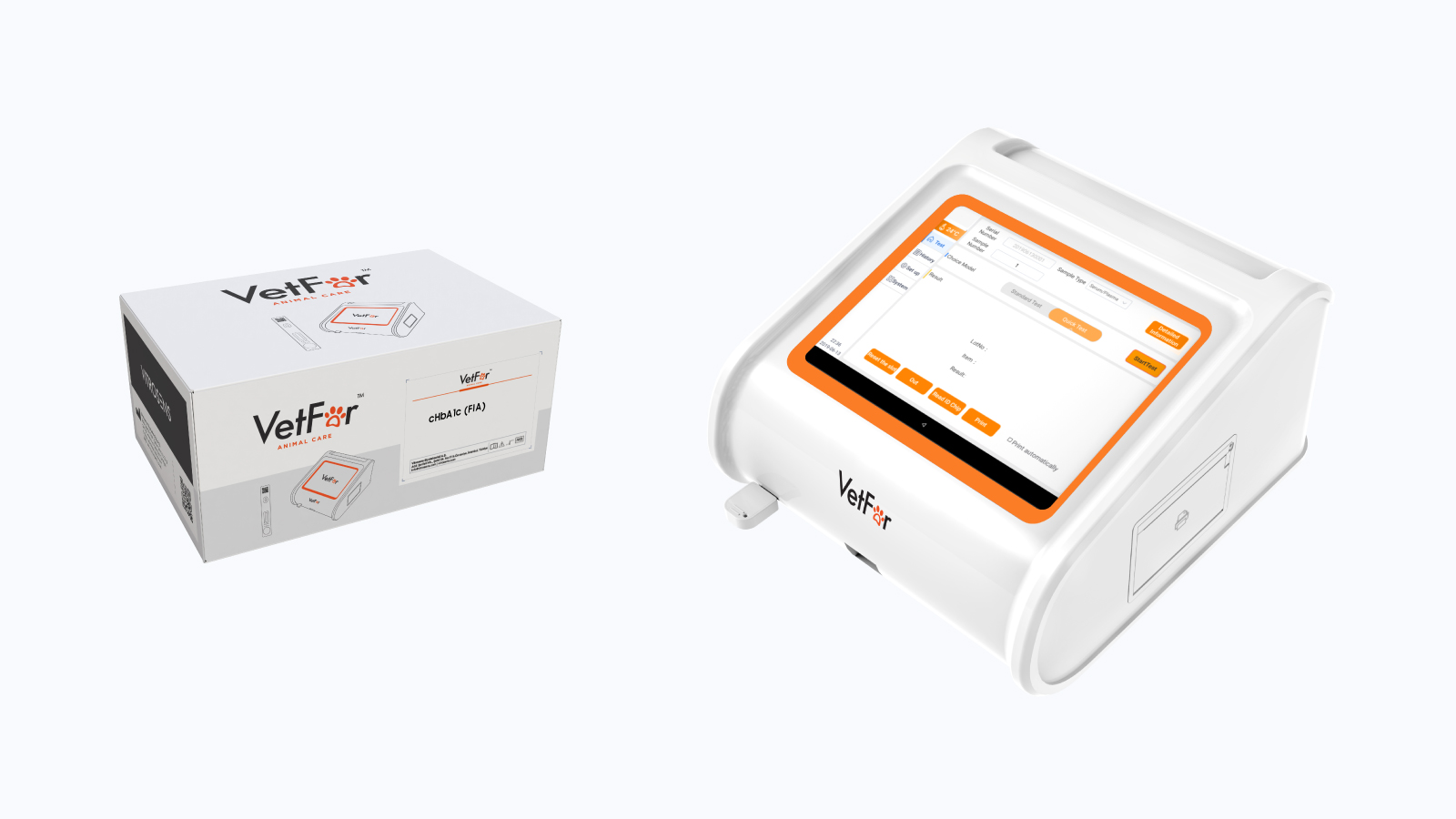
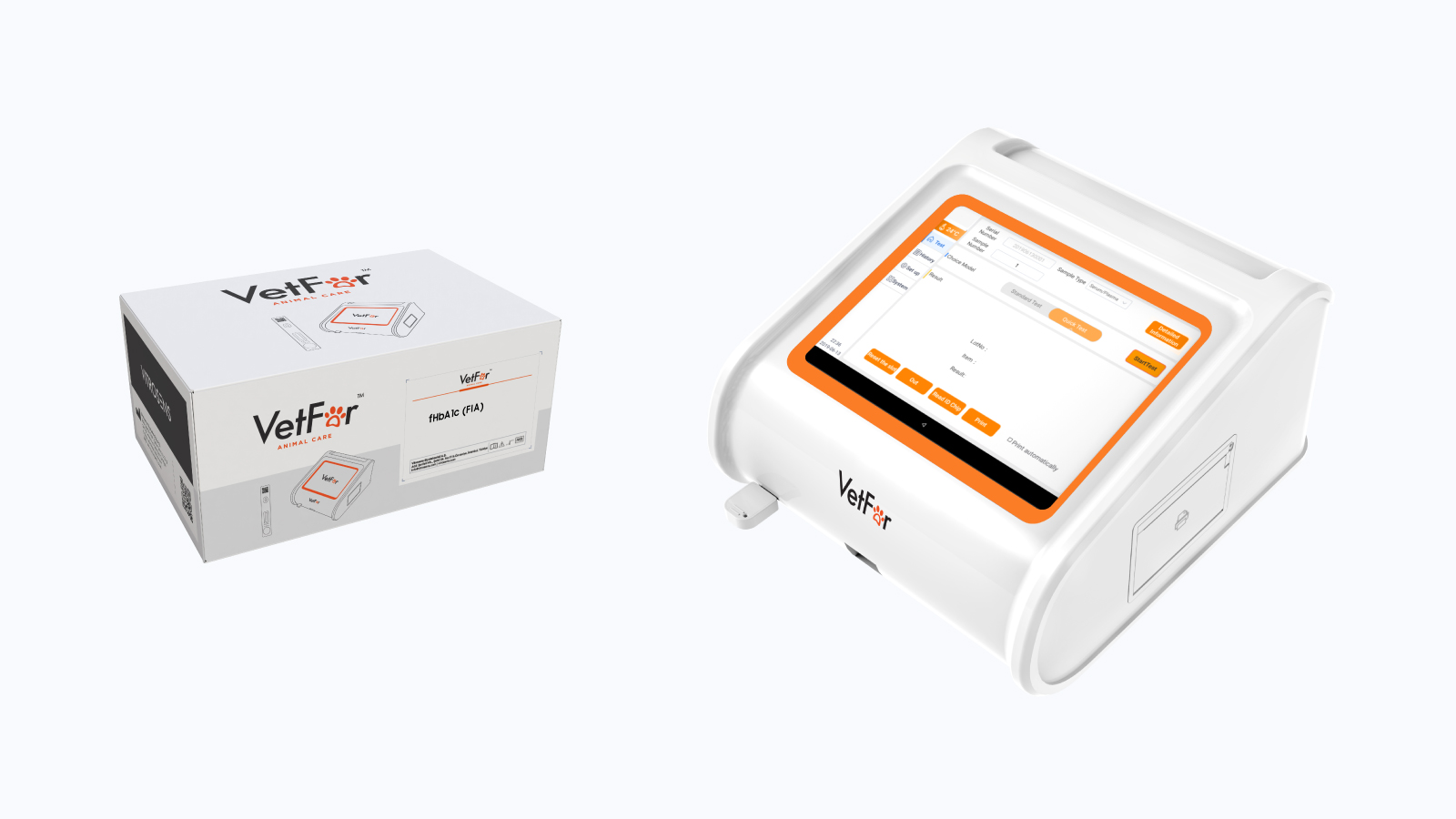
VetFor HbA1c Test Kit: A New Tool for Feline and Canine Diabetes
The VetFor HbA1c Test Kit brings A1c testing into the exam room for both dogs and cats, using a tiny whole-blood sample and RT-qPCR fluorescence to report HbA1c percent with lab-level precision, low variability and strong linearity. There is no serum separation or complicated prep, so collection is quick and gentle, and clinics can run the test alongside routine checks. Results arrive in about 5 to 10 minutes, which means the veterinarian can review a pet’s 2 to 3 month glycemic picture during the same visit and decide on next steps right away. If HbA1c remains high, insulin dose or diet can be adjusted even when spot glucose values looked acceptable; if it trends down over successive visits, owners get objective proof that control is improving. Because HbA1c is not distorted by stress hyperglycemia, it stays reliable in anxious patients and is especially helpful for cats.
Conclusion
In summary, HbA1c testing is poised to become a powerful ally in monitoring canine and feline diabetes. It offers a “big picture” assessment of glycemic control that, alongside fructosamine and routine glucose checks, can guide more effective management of diabetic pets. By leveraging tools like the VetFor HbA1c kit for convenient, accurate in-clinic testing, veterinarians can better tailor treatments – improving the pet’s quality of life and giving pet owners added peace of mind. Long-term markers like HbA1c essentially fill in the story between daily measurements, ensuring that no highs or lows go unnoticed over the months. With both science and new technology on our side, we can better tame the diabetes beast in our beloved dogs and cats, keeping them healthier and happier in the long run.