



Kidney disease is a silent threat for many cats and dogs. In humans there are approximately 0.9 to 1.0 million nephrons per kidney, whereas dogs have on average 400 to 600 thousand and cats have approximately 180 to 200 thousand. Because nephrogenesis does not occur after birth, this smaller innate nephron reserve together with age related glomerulosclerosis and cumulative nephron loss, further reinforced by species specific physiological demands such as high urine concentrating capacity and higher protein and catabolite loads, renders cats and dogs relatively more susceptible to renal disease. Whether it’s the slow onset of chronic kidney disease (CKD) in a senior pet or a sudden acute kidney injury from a toxin, these conditions often aren’t obvious until significant damage has occurred. Cats and dogs are experts at hiding illness, so veterinarians rely on kidney function markers in blood tests to uncover any brewing issues before it’s too late. (For example, 1/3 of older cats and about 10% of older dogs have CKD.) Given how common and sneaky kidney issues can be, early detection is essential for better outcomes.

Source: Mayo Clinic Radio: Chronic kidney disease, Jennifer O’Hara, December 7, 2017
What is SDMA and Why Does Early Detection Matter?
For many years veterinarians have relied on blood creatinine to assess renal function, yet creatinine rises late and often stays normal until about 75% of kidney function has been lost. Thus a pet may be in early renal decline while creatinine remains within reference limits. This is where SDMA comes in: symmetric dimethylarginine is a newer renal biomarker that increases much sooner, sometimes with only about 25 to 40 percent loss of function. SDMA is a byproduct of protein methylation that is normally cleared by the kidneys, so when filtration falters it accumulates in the blood. Because SDMA reflects kidney filtration specifically and is not materially influenced by muscle mass or age, it serves as a more sensitive and reliable early signal of renal disease.
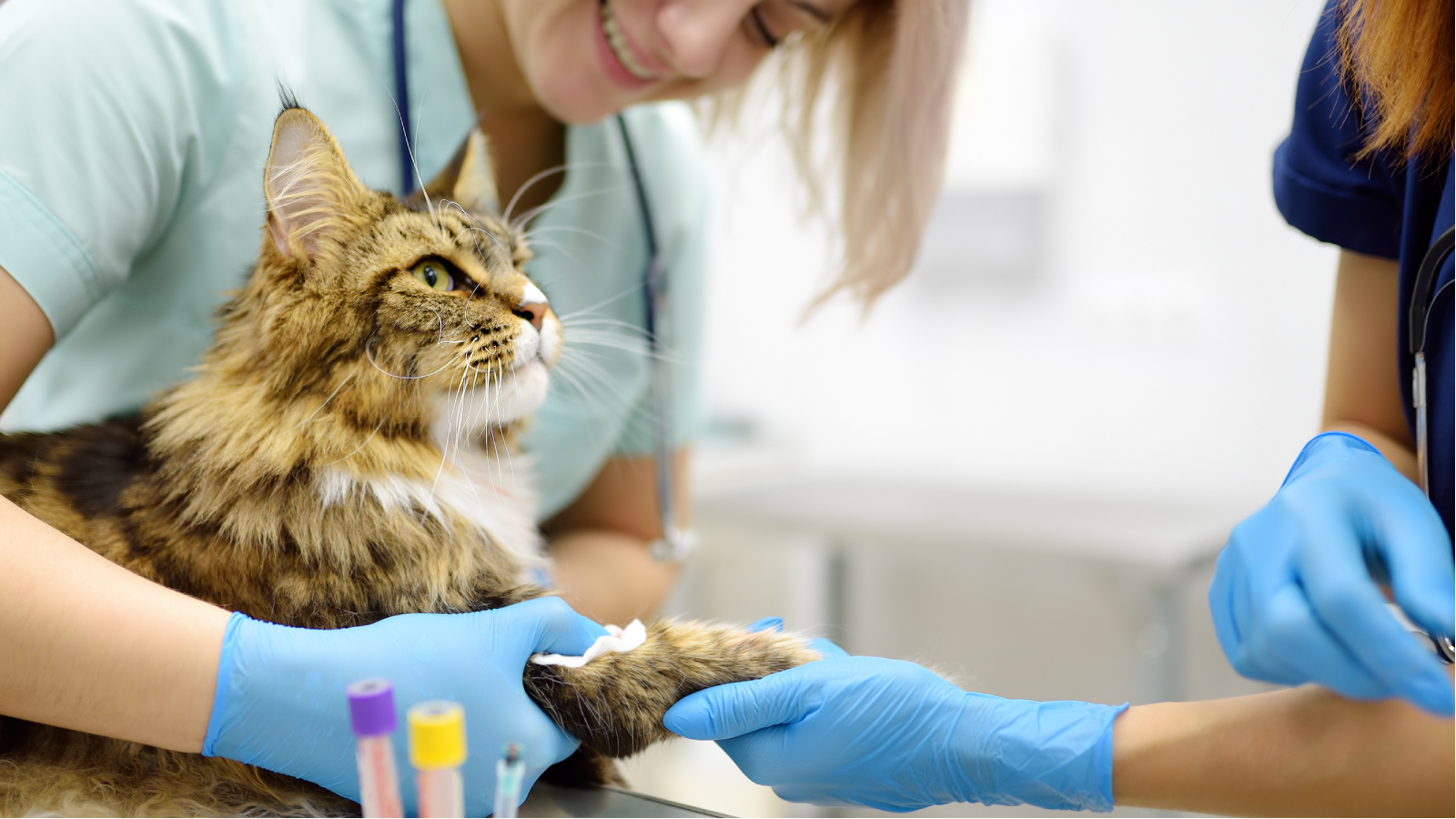
fSDMA and cSDMA: Early Kidney Tests for Cats and Dogs
SDMA testing is now available as easy, in clinic test kits for both species. In cats it’s called fSDMA (feline SDMA), and in dogs cSDMA (canine SDMA). Despite the different labels they are species specific adaptations of the same assay, each measuring symmetric dimethylarginine to evaluate renal function. Importantly, fSDMA and cSDMA are equally useful for catching kidney dysfunction early in their respective species. Vets often include SDMA tests in routine wellness panels (especially for senior pets) because of the head start it gives in diagnosing kidney issues.
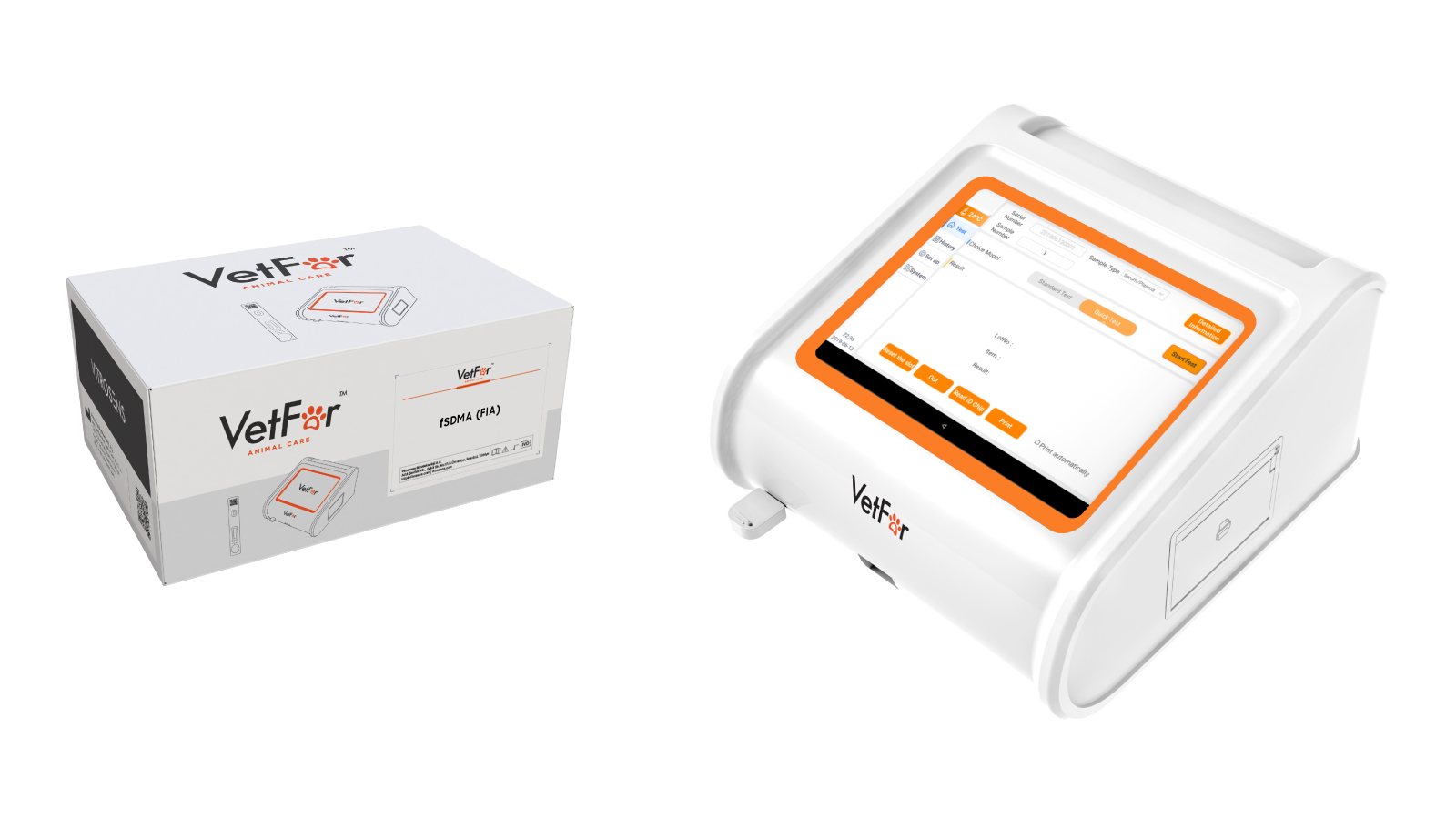
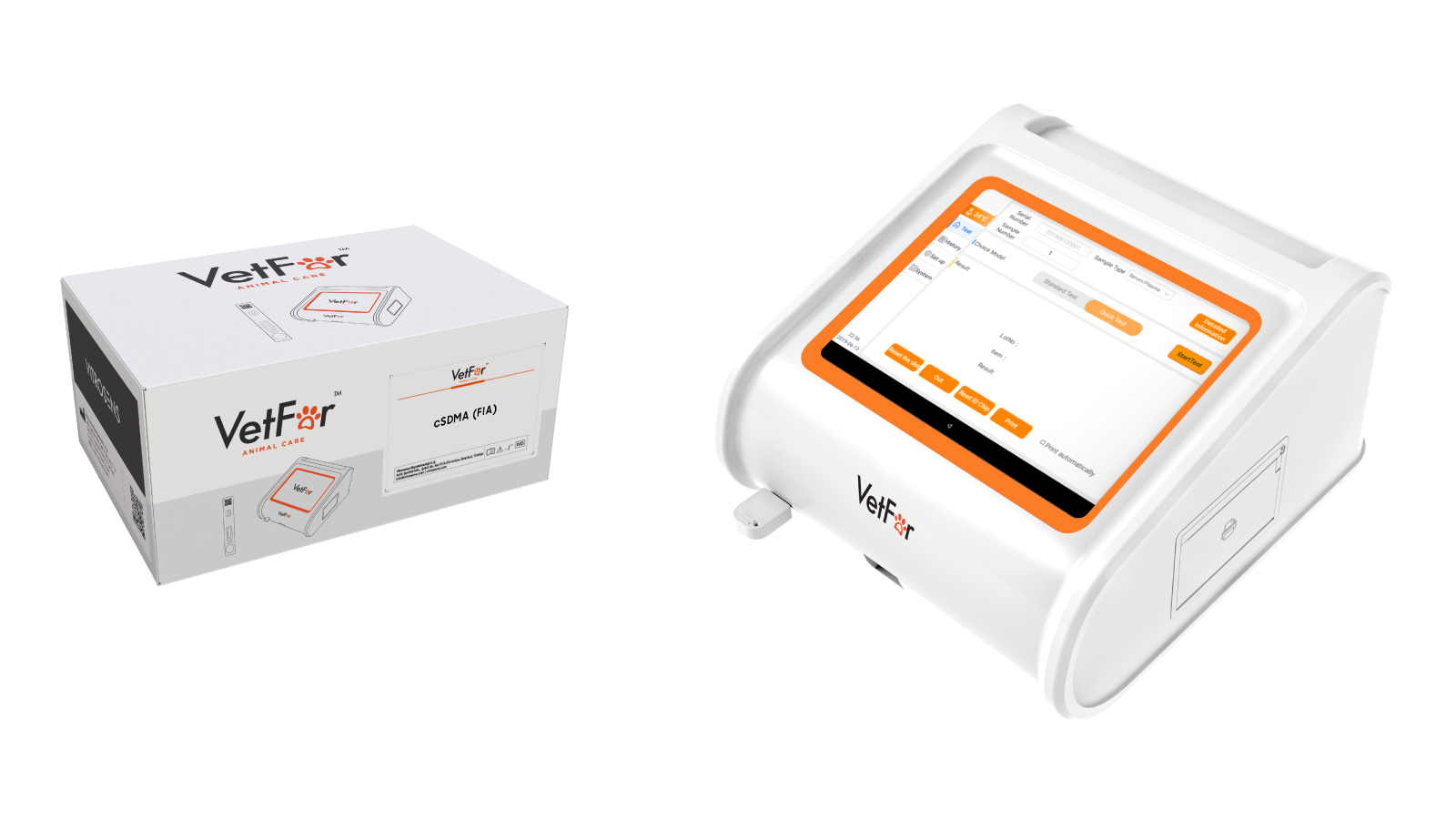
Quick and Accurate Diagnosis with FIA Kits
For on the spot results the fSDMA and cSDMA kits use a fluorescent immunoassay. Each kit requires only a few drops of serum or plasma. Ideally the sample is tested immediately after collection; if testing is delayed it may be stored at 2 to 8 °C for up to 48 hours or frozen at −20 °C for longer periods. Avoid hemolyzed or bacterially contaminated specimens, as they can produce faulty results. After following the steps outlined in the IFU apply the prepared sample to the cassette’s sample well. Once the sample is added insert the cassette into the analyzer; the instrument runs a five minute reaction and then displays the result. Despite the speed the immunofluorescence method provides high sensitivity and specificity, allowing your veterinarian to include SDMA in routine bloodwork and discuss the findings during the same visit without sending the sample to a reference laboratory.

Benefits of Early SDMA Testing
By enabling earlier action, clarifying trends over time, and informing individualized care, SDMA adds real clinical value: it alerts us to kidney decline before symptoms show, reveals whether function is stable or deteriorating so therapy can be adjusted, and helps tailor fluids, medications, and kidney friendly diets, often improving both outcomes and quality of life.
In summary, fSDMA and cSDMA have transformed kidney care for pets. As a veterinarian, I’m thrilled to have a test that signals trouble long before pets become visibly sick. By detecting kidney issues earlier than traditional markers like creatinine, these kits give us a crucial window to act. Early detection means treatments can start sooner and pets can maintain a higher quality of life for longer. When it comes to kidney disease, the old saying “the sooner, the better” truly applies and with these SDMA kits, we can stay one step ahead of the problem.
References
https://newsnetwork.mayoclinic.org/discussion/mayo-clinic-radio-chronic-kidney-disease/
Greene JP, Lefebvre SL, Wang M, Yang M, Lund EM, Polzin DJ. Risk factors associated with the development of chronic kidney disease in cats evaluated at primary care veterinary hospitals. J Am Vet Med Assoc. 2014 Feb 1;244(3):320-7. doi: 10.2460/javma.244.3.320. PMID: 24432964.