

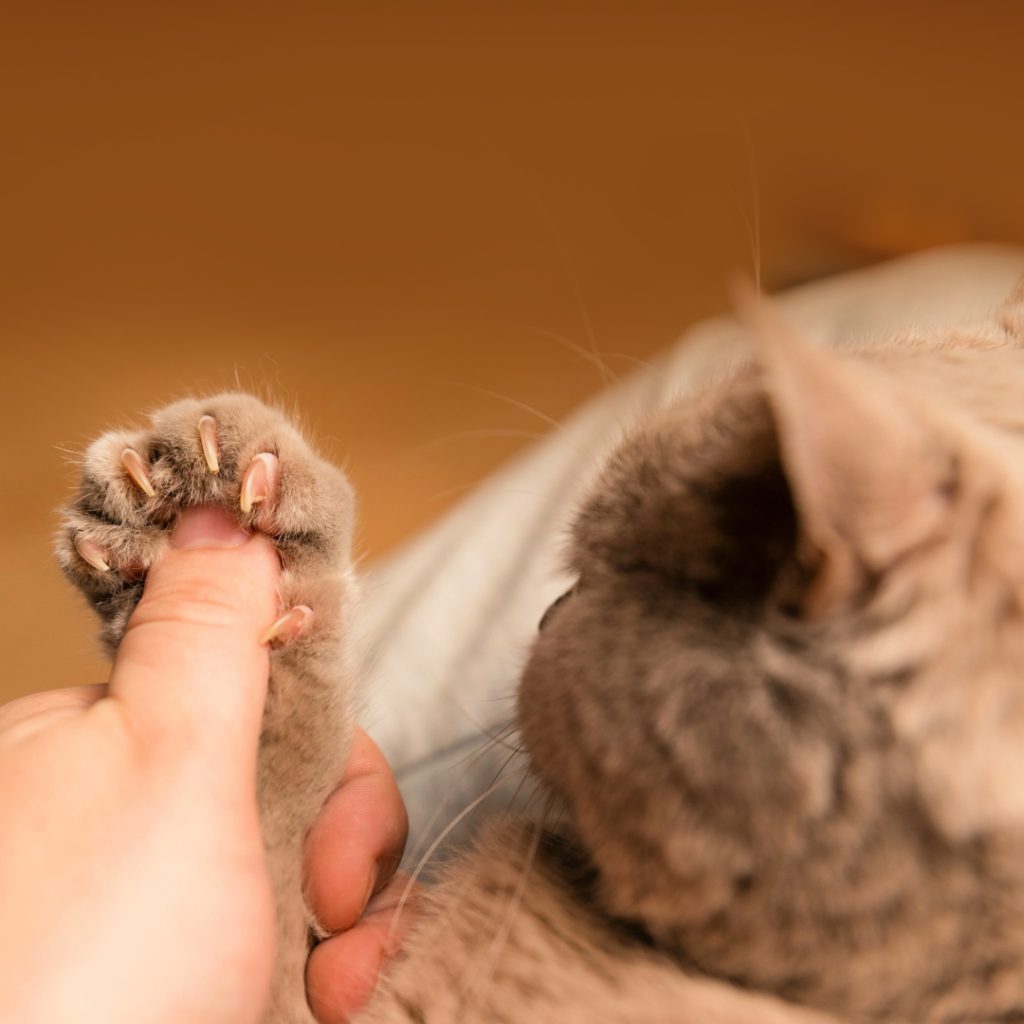

Bartonella henselae might sound like a insignificant latin name, but it’s actually a tiny bacterium carried by cat fleas that can cause big trouble for cats and for the people who love them. This pathogen is the culprit behind the infamous “cat scratch fever” in humans. Cats pick up B. henselae from flea bites or flea dirt, and a seemingly harmless scratch or bite can pass it along to a person. Bartonella pops up wherever cats and fleas are found which is pretty much worldwide, especially in warm, humid climates where fleas thrive. The sneaky part? Many cats carry B. henselae without ever seeming sick at all!
What are the sneaky signs?
In cats, most cats infected with Bartonella don’t show any obvious signs at all. It’s a stealth infection. Occasionally a cat might run a mild fever for a day or two or have a slightly swollen lymph node, but these hints are rare and fleeting. Serious illness from Bartonella is very uncommon in cats. In fact, studies have found Bartonella bacteria in up to 1 in 3 healthy cats (especially kittens) with nary a symptom.
In humans, if a cat passes along this germ, the result is cat scratch disease in people. After a scratch or bite, a small red bump may appear at the site, followed by a low fever and swollen lymph nodes a week or two later. Usually the illness is mild and runs its course, but in people with weakened immune systems, Bartonella can cause serious complications like infection of the heart or unusual skin lesions. Fortunately, severe cases are rare and for most healthy folks, a case of cat scratch fever is more nuisance than nightmare.
How Vets Confirm It?
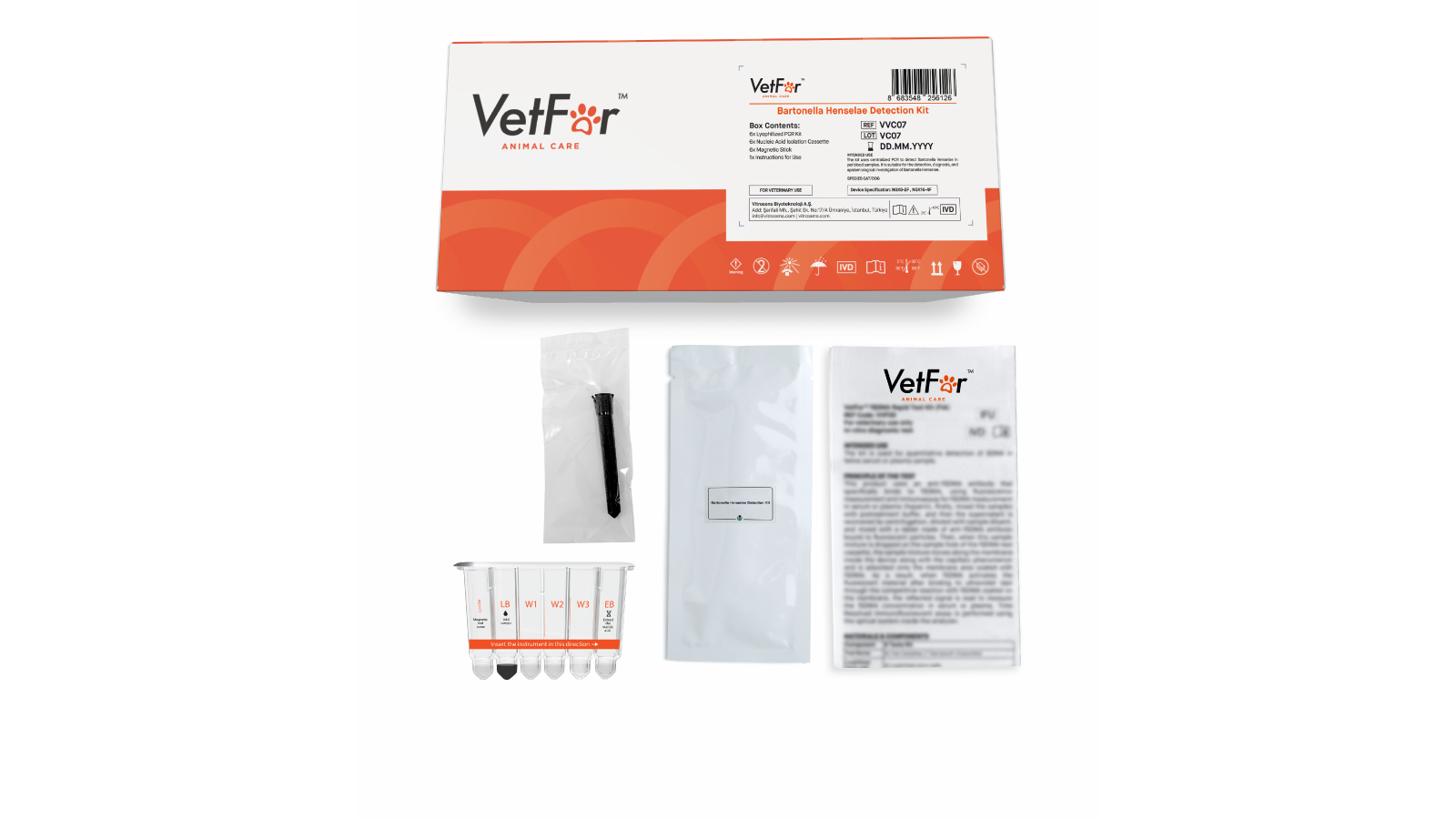
Since Bartonella rarely causes obvious symptoms, diagnosing it can be tricky. A vet who suspects Bartonella will play detective by looking at the pet’s history like flea exposure, etc. and then running some blood tests. One common test checks for antibodies. Basically, signs that the cat’s immune system has fought Bartonella. A positive antibody result shows exposure, but isn’t proof of an active infection. To get a sure answer, vets often use PCR, a DNA test that hunts for the bacteria’s genetic material. PCR can detect even tiny traces of Bartonella in a blood sample. By piecing together the clues (clinical signs + test results), the vet can confirm if Bartonella is truly to blame.
How to Scratch Bartonella Off Your Worry List?
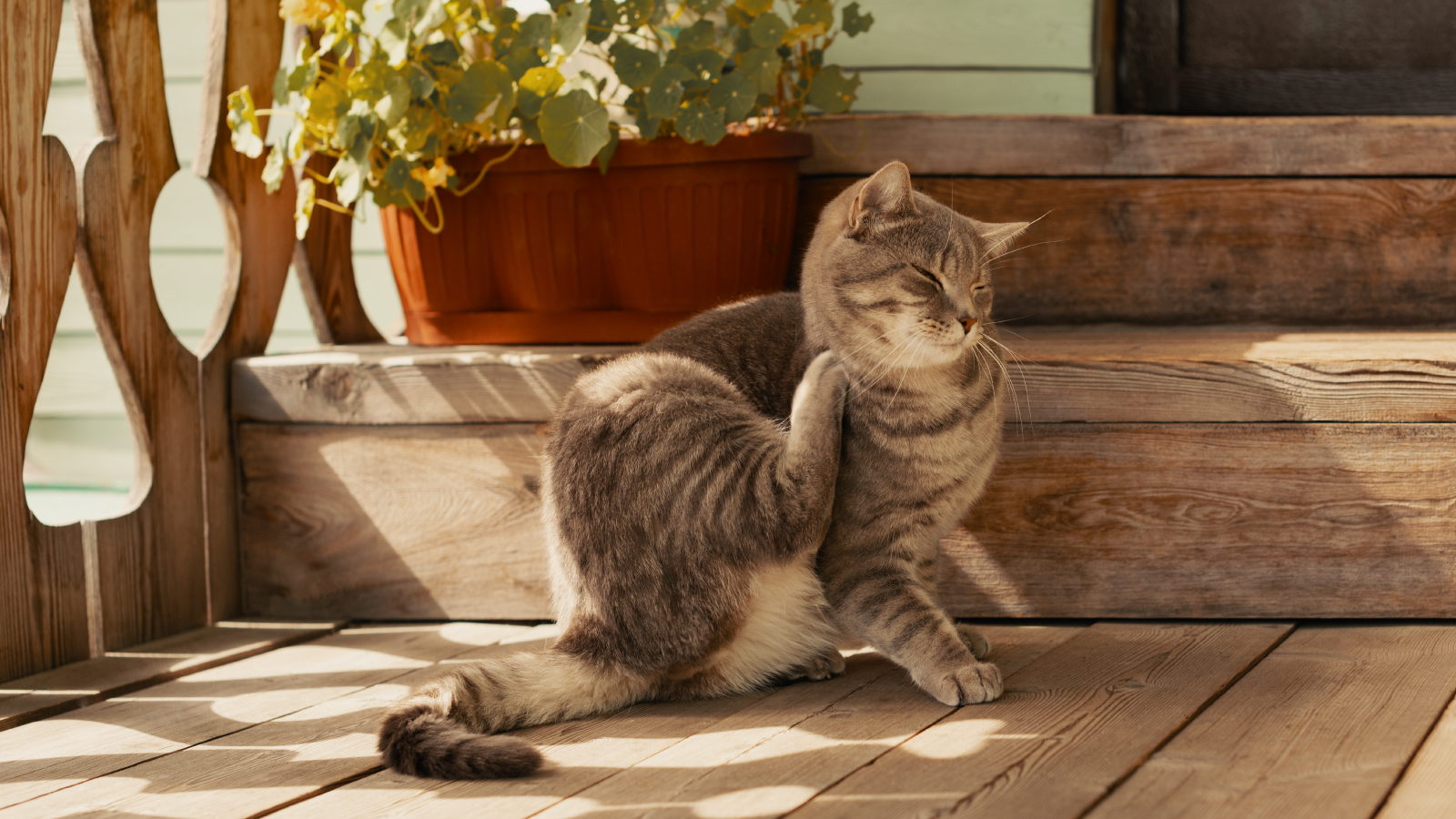
The good news is you can reduce the risk. It mostly comes down to flea control and a bit of common sense. For fleas, they spread Bartonella but if you keep your pets on effective flea prevention year round it comes to the point of “No fleas = far lower risk” for infection. Keeping cats indoors is also one of the preventation methods. Indoor cats are less likely to pick up fleas or get in fights with stray cats both major risk factors. For us, dodging those playful claws and teeth is a smart move. In addition to these tips, please don’t encourage rough play, especially with kittens. If you do get a scratch or bite, wash it well with soap and water.
Also, note that there’s currently no vaccine to prevent Bartonella in cats or humans. That means these preventative steps are the best way to stay safe.
Treatment: Only If They Need It
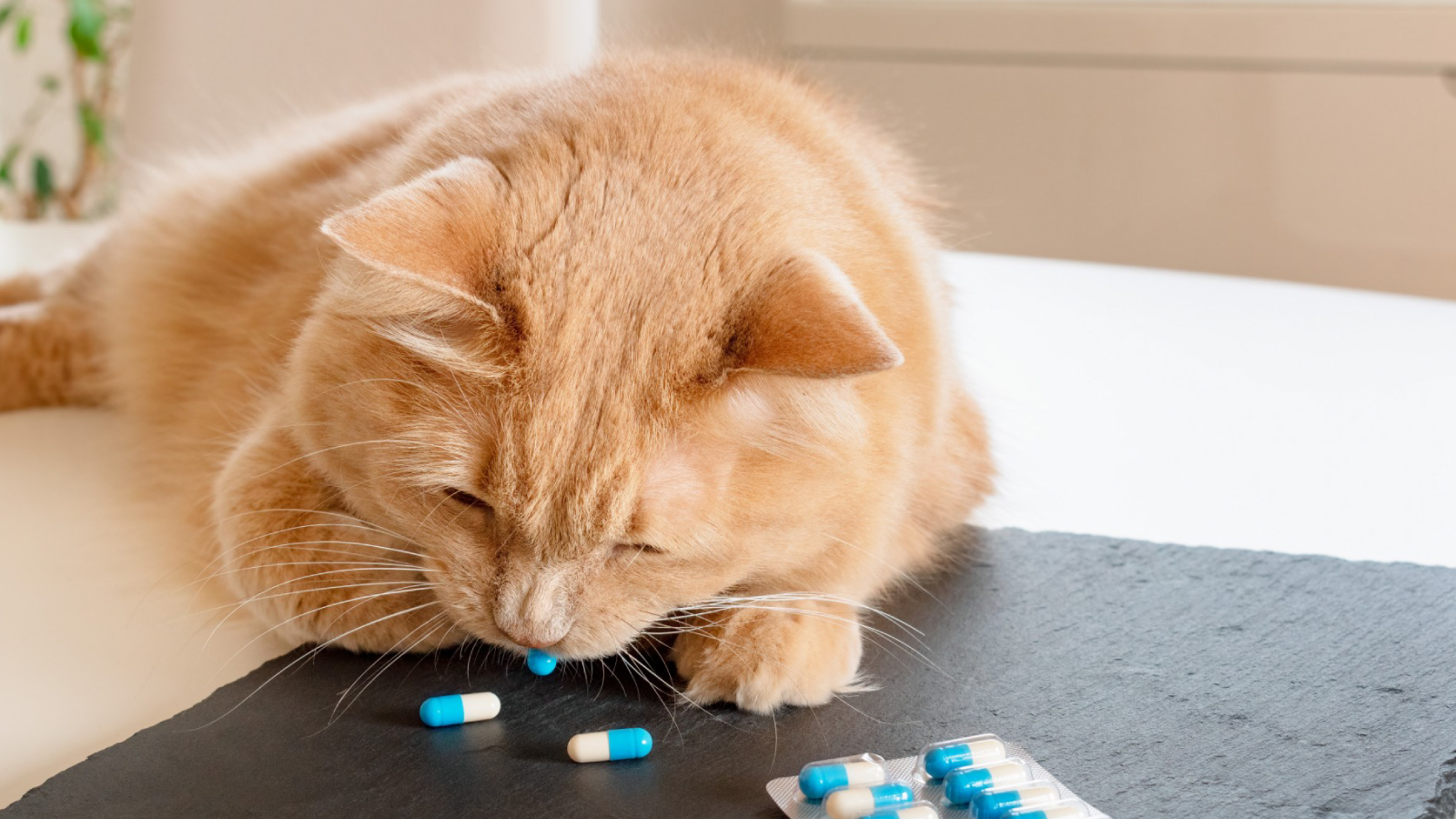
Vets usually don’t treat a cat for Bartonella unless the cat is actually ill. There’s no need to medicate a healthy carrier. If a feline does get sick from Bartonella, the vet can prescribe antibiotics for several weeks to help knock down the bacteria. Even then, it’s hard to guarantee the infection is completely cleared. This is why unnecessary antibiotic treatment is avoided and better to focus on flea prevention and only treat if needed.

Why Humans Should Care?
Bartonella isn’t just a cat’s problem. It’s zoonotic, meaning people can catch it too. Each year, around 12,000 people in the U.S., many of them children, get cat scratch disease. Most recover without incident, but for those with weakened immune systems (HIV/AIDS, cancer treatment, etc.), a Bartonella infection can be much more dangerous. Cats are the main reservoir for B. henselae, so keeping cats flea free and handling them carefully helps protect humans as well. Public health experts advise immunocompromised individuals to avoid rough play with cats and to be especially cautious around kittens.
Bottom line is Bartonella may be flea sized, but it can cause outsized problems if we’re not careful. Thankfully, a little prevention is worth a pound of cure when it comes to cat scratch fever!