



Leishmania might sound exotic, but it’s actually a tiny single celled parasite carried by sand flies (Phlebotomus papatasi, tiny blood sucking insects) that can spell big trouble for dogs. It’s not spread by ordinary fleas or ticks, only sand flies transmit it. Leishmania infantum is the main cause of canine leishmaniasis, though a few other species (like L. donovani or L. tropica) can also stir up trouble. This disease is most common in warm climates like parts of southern Europe, Latin America, Asia, and the Middle East.
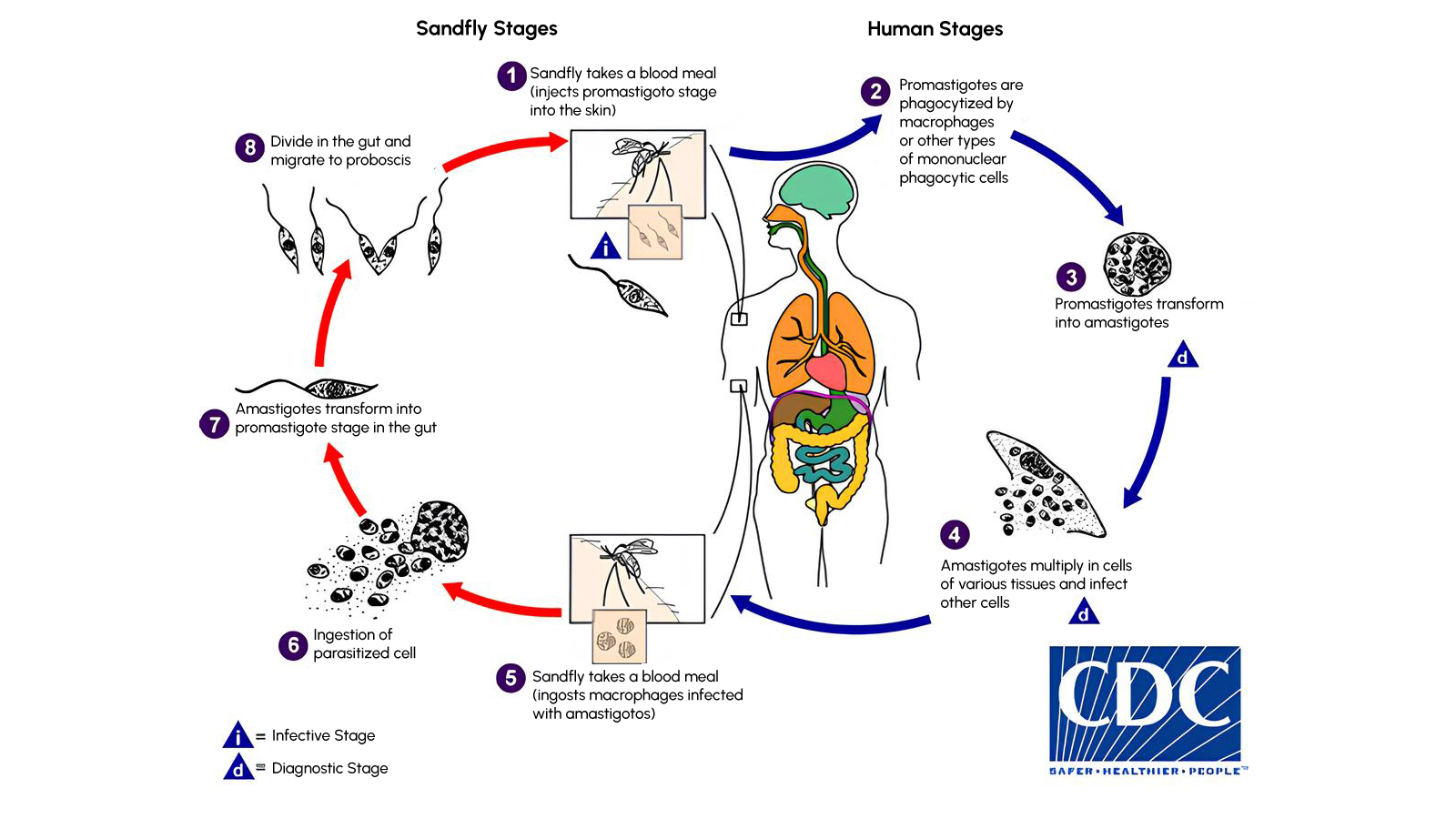
Many dogs carry Leishmania without ever getting sick. In fact, most infected dogs never show obvious illness. Only around 10–20% eventually develop disease. A seemingly healthy pup could be harboring this parasite under the radar.

Why That Nosebleed Might Be More Than It Seems?
When Leishmania does cause illness, the signs can be all over the map. You might notice subtle issues at first: your dog isn’t as energetic as usual, starts losing weight, or their coat looks a bit scruffy. Skin problems are common, often patches of hair loss or sores on the nose and ears that won’t heal along with dry, scaly skin. Even a “random” nosebleed can be a red flag. As the infection progresses, more serious symptoms appear. Dogs may develop swollen lymph nodes, eye inflammation, and weakness. In advanced cases, the parasite invades internal organs like the liver, spleen, and especially the kidneys and sometimes leading to kidney failure. These signs come on slowly and can be mistaken for other problems, but without treatment they tend to snowball and can become life threatening.
How Vets Confirm It?
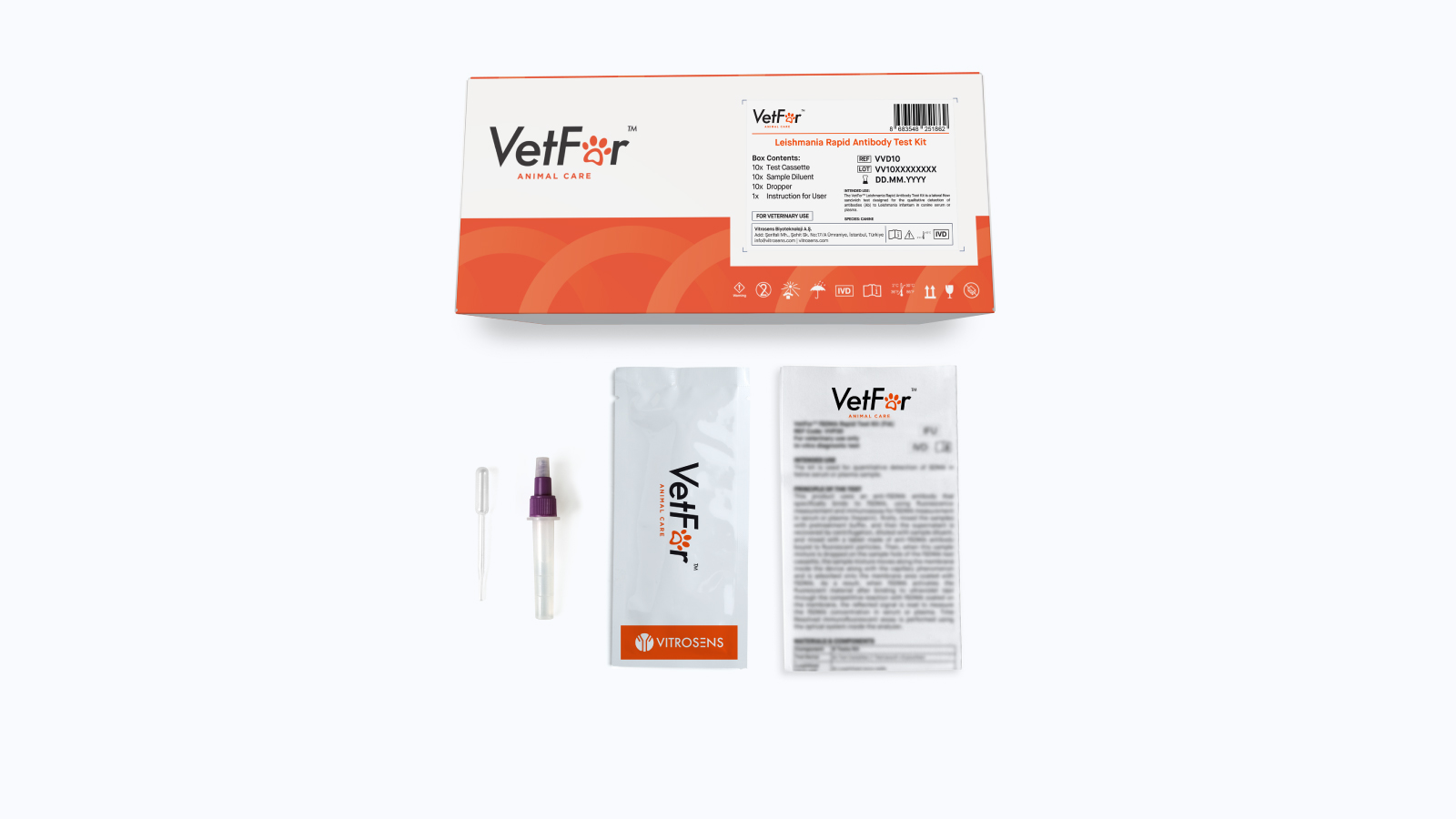
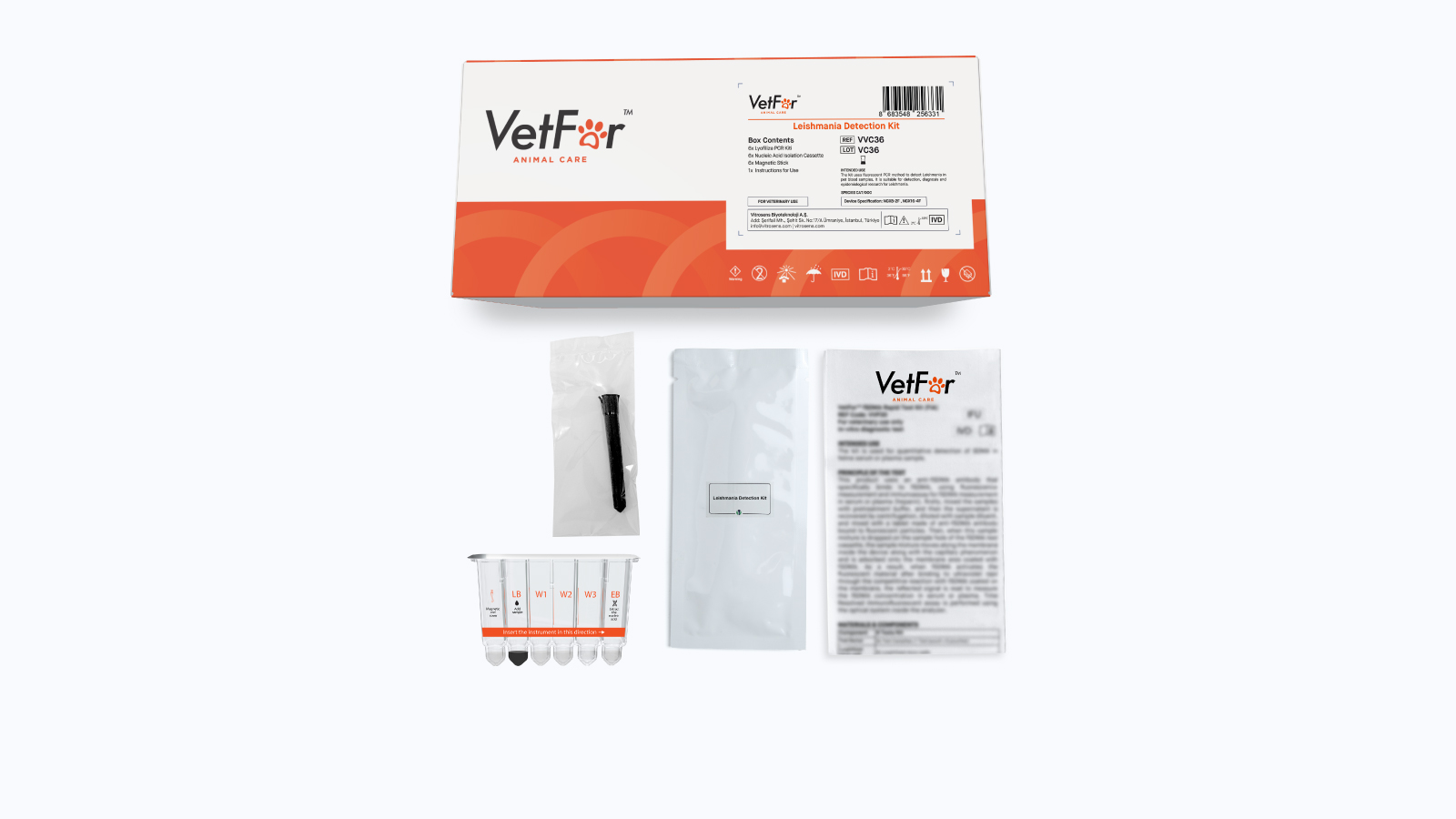
Diagnosing leishmaniasis requires detective work. A vet will review your dog’s history (travel to endemic areas, potential sand fly exposure) and symptoms, then run blood tests if Leishmania is suspected. One common test detects antibodies essentially checking if your dog’s immune system has been fighting Leishmania. A positive result shows exposure but isn’t proof of active disease. So the next step is often a PCR test to spot the parasite’s DNA. PCR can detect even tiny traces of the invader and confirm an active infection. Usually it’s the combination of symptoms, antibody test, and PCR that confirms a leishmaniasis diagnosis.
A Bug You Don’t Want as a Souvenir
Leishmania isn’t a souvenir you want your dog to bring home. The good news is there are ways to protect your pup, especially if you live in or visit an area where this parasite lurks. Here are some tips to keep Leishmania at bay:
Using vet recommended insect repellents or insecticidal collars to ward off sand flies. These flies bite mostly in the evening and night, so keeping dogs indoors at dusk helps too.
Also keep in mind that in some countries (like parts of Europe and Brazil), vaccines are available to help dogs build resistance to Leishmania. A vaccine isn’t 100% effective, but it can reduce the risk and severity of disease when combined with other precautions. So don’t hesitate to ask your vet about a Leishmania vaccine is available especially if you live in, or travel to, endemic regions such as the Mediterranean basin, parts of Latin America, or the Middle East!
If you live in an endemic region or adopted your dog from one, ask your vet about regular screening tests. Catching an infection early lets you manage it before serious damage is done. Always keep in mind that protection is easier to deal with!
In the event of taking your dog to high-risk areas, use sand fly protection and avoid late night walks in rural spots.

This isn’t just a dog problem. Considered that the parasite can infect people, too. Dogs are the main reservoir for L. infantum, so infected dogs help the parasite spread to humans via sand flies. In places where leishmaniasis is common, controlling it in dogs is important for public health. There’s no easy cure for infected dogs. Treatment can take months and may not eliminate the parasite so preventing infection is far better.
Bottom line is early detection and a solid game plan with your veterinarian are crucial. When it comes to Leishmania, an ounce of prevention (and prompt action) is worth a pound of cure!
References
CDC. (n.d.). Leishmaniasis Control in Dogs. https://tools.cdc.gov/podcasts/media/pdf/EID_12-19_CanineLeishmaniasis.pdf
Centers for Disease Control and Prevention. (2019). CDC – DPDx – Leishmaniasis. Centers for Disease Control and Prevention. https://www.cdc.gov/dpdx/leishmaniasis/index.html
Companion Animal Parasite Council. (2014, July 1). Leishmaniasis. Companion Animal Parasite Council. https://capcvet.org/guidelines/leishmaniasis/
Gad Baneth. (2018, June 6). Leishmaniosis (Visceral Leishmaniasis) in Dogs. Merck Veterinary Manual. https://www.merckvetmanual.com/dog-owners/disorders-affecting-multiple-body-systems-of-dogs/leishmaniosis-visceral-leishmaniasis-in-dogs
Leishmaniosis – WOAH – World Organisation for Animal Health. (2023, July 19). WOAH – World Organisation for Animal Health. https://www.woah.org/en/disease/leishmaniosis/