

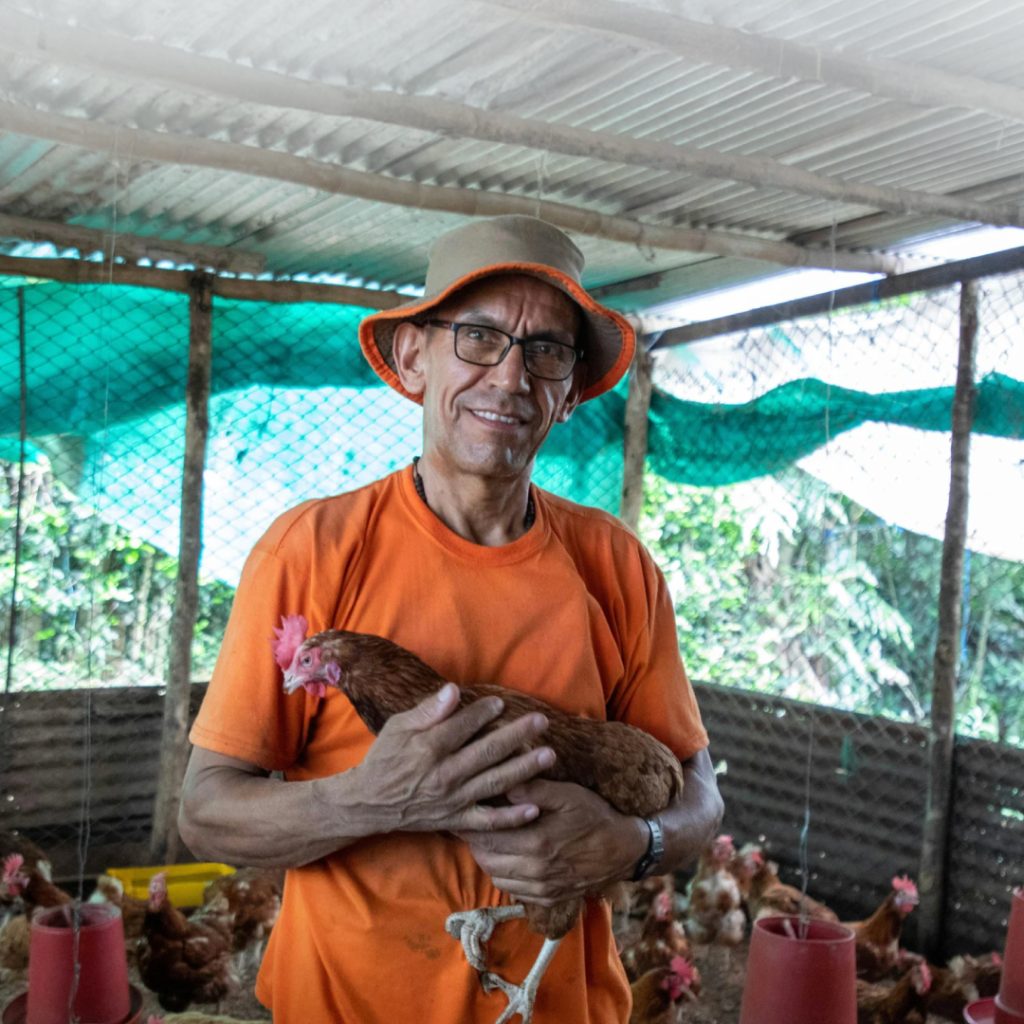

Newcastle Disease (ND) is one of the most feared viral diseases in the global poultry industry. Caused by the Newcastle Disease Virus (NDV), a member of the Paramyxoviridae family, this highly contagious illness affects both domestic and wild birds like chickens, turkeys, pigeons, and other avian species.
NDV can strike with deadly efficiency. Depending on the strain, it causes respiratory distress, neurological symptoms, decreased egg production, and high mortality rates. In its most virulent form (velogenic), the disease can wipe out entire flocks in a matter of days.
Infected birds shed the virus through respiratory secretions and feces, which can rapidly contaminate the environment and infect other birds via aerosols, feed, water, equipment, and even people.

Why Early Diagnosis is Critical in Controlling NDV
Because ND spreads quickly and mimics other poultry diseases like avian influenza or infectious bronchitis, rapid and accurate diagnosis is vital. Here’s why:
- • Limits spread: Timely detection allows immediate quarantine and containment.
- • Reduces economic loss: Prevents loss of valuable livestock and production interruptions.
- • Supports vaccination decisions: Helps veterinarians identify outbreaks even in vaccinated flocks.
- • Enhances biosecurity: Diagnostic insights guide enhanced sanitary measures.
In traditional diagnostics, virus isolation and RT-PCR are reliable but time-consuming, expensive, and require lab infrastructure. For veterinarians, farm operators, and mobile units, a fast, reliable, point-of-care solution is not a luxury. It’s a necessity.
Global Impact of Newcastle Disease Virus (NDV) in Poultry
Newcastle Disease Virus (NDV) is a highly contagious infection that affects poultry worldwide, causing respiratory issues, neurological symptoms, and high mortality in severe cases. While rare in humans, it poses a serious threat to the poultry industry and food security.
The disease is endemic in Asia and Africa , with frequent outbreaks in countries like India, Indonesia, Nigeria, and Ethiopia due to limited vaccination and poor biosecurity. Middle Eastern countries such as Iran and Egypt also face sporadic but severe outbreaks. In Europe , cases are rare and usually linked to imported or wild birds, while the U.S. saw a major outbreak in California (2018–2020), mainly in backyard flocks. Latin America faces ongoing risks, and Australia remains largely free of NDV in commercial poultry.
NDV spreads through live bird markets, wild birds, and insufficient biosecurity. Control relies on vaccination, early diagnosis , and strict hygiene practices. While global eradication is unlikely, effective surveillance and response can significantly limit its impact.
Introducing VetFor NDV Rapid Antigen Test Kit: Accuracy in 10 Minutes
The VetFor NDV Rapid Antigen Test Kit is a lateral flow immunochromatographic assay developed specifically for veterinary professionals. It detects NDV antigens in tracheal swab samples from birds and provides reliable results in just 10 minutes making it an essential diagnostic tool for farms, hatcheries, and vet clinics.
Key Features:
- Speed and Convenience
Get results in 10 minutes: no waiting, no labs, no delays. - High Specificity for NDV Antigen
The test uses monoclonal antibodies designed to target NDV, ensuring high diagnostic accuracy and minimal cross-reactivity. - User-Friendly, Field-Ready Design
Everything you need is included in the kit:
- • 10 test cassettes
- • 10 single-use sample diluent bottles
- • 10 sterile swabs
- • 1 instruction manual
- Minimal Equipment Required
No need for lab instruments or electricity. The test can be performed directly at the site of an outbreak. - Reliable Results
The test includes an internal control (C-line) for validation. Without it, the result is considered invalid, ensuring every diagnosis you make is backed by a valid test.
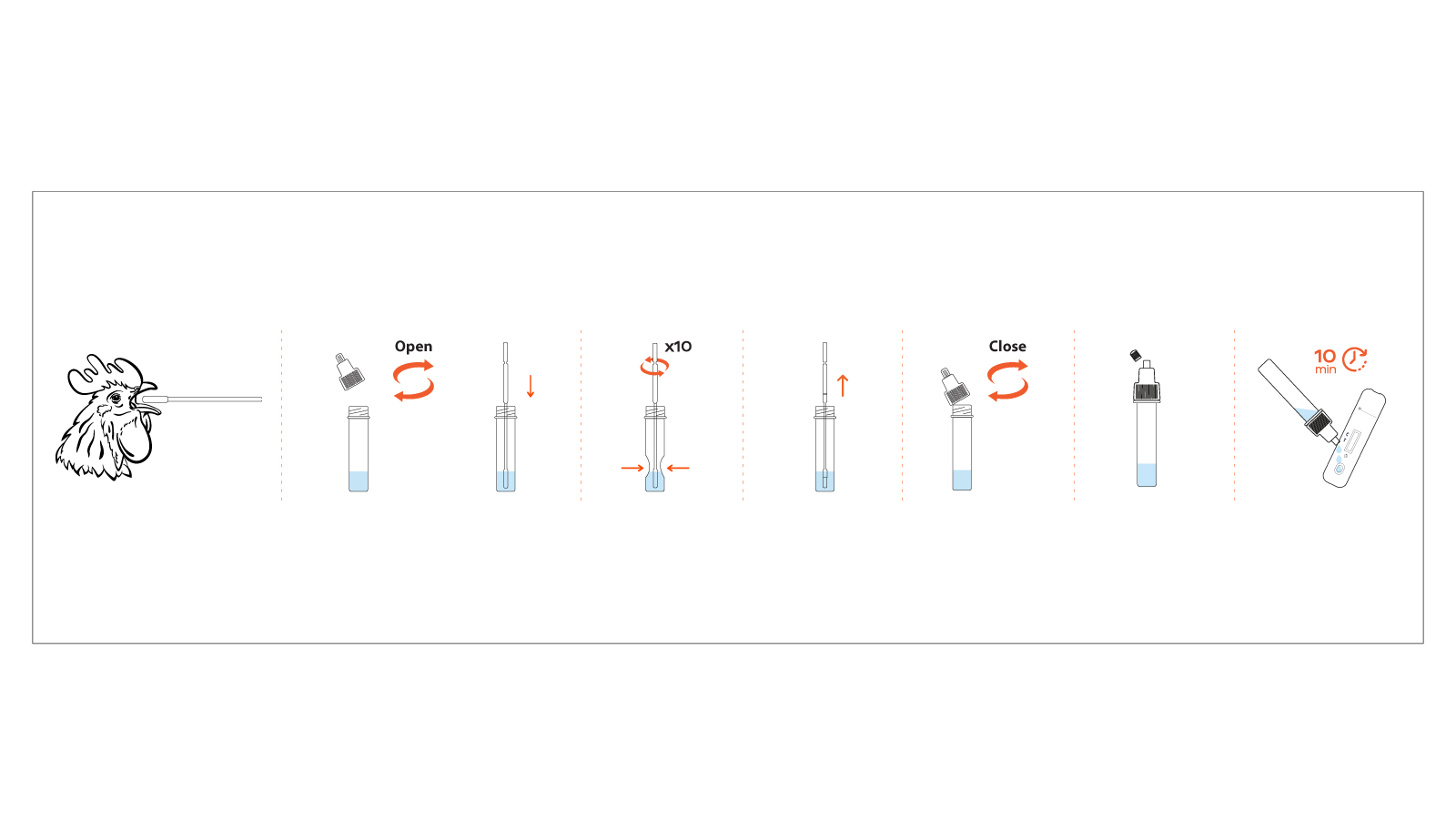
How to Use VetFor NDV Rapid Antigen Test Kit
- Sample Collection
- • Use the provided sterile swab to collect tracheal mucus from the bird.
- • Avoid contamination from hands or surfaces.
- Sample Processing
- • Open the solution bottle.
- • Insert the swab into the bottle and rotate 10 times.
- • Press the swab against the inner wall to extract the sample for at least 20 seconds.
- • Remove and discard the swab. Cap the bottle tightly.
- Test Procedure
- • Place the test cassette on a flat surface.
- • Open the foil pouch only when ready to test.
- • Add 3 drops of the treated sample to the sample well.
- • Wait exactly 10 minutes.
- Result Interpretation
- • Positive: Red lines appear at both the T (Test) and C (Control) regions.
- • Negative: Only the C line is visible.
- • Invalid: No line at C. Repeat with a new test kit.
Note: Do not read the result after 15 minutes.
Why Choose VetFor?
VetFor NDV Rapid Antigen Test Kit combines speed, accuracy, and convenience for reliable on-the-spot testing. Here’s what makes it a must-have:
- • Immediate response: Enables swift outbreak containment and decision-making.
- • Field-ready design: Ideal for use in rural, remote, or resource-limited areas.
- • Supports animal health and economic stability: Reduces downtime, losses, and stress in your flock.
- • Complies with veterinary standards: Intended for professional, in vitro use with avian swab samples.
- • Perfect for routine screening, import/export control, or emergency outbreak response.
Stay Ahead of the Outbreak Curve
Don’t wait for laboratory results while the disease spreads. Whether you’re running a commercial poultry farm or working in veterinary field diagnostics, early detection saves lives, birds, and businesses.
References :
- USDA Animal and Plant Health Inspection Service. “Newcastle Disease.”
https://www.aphis.usda.gov/aphis/ourfocus/animalhealth/animal-disease-information/avian/newcastle-disease - World Organisation for Animal Health (WOAH). “Newcastle Disease.”
https://www.woah.org/en/disease/newcastle-disease/ - Mayo Clinic Laboratories. “Newcastle Disease Virus.”
https://www.mayocliniclabs.com